What if one of the simplest dental visits could help you avoid bigger problems later? For many patients, dental cleanings are the foundation of a healthier smile because they remove buildup, support gum health, and give your dental team a chance to catch early changes before they become painful or expensive. At Family Dentistry of Stuart, dental cleanings in Stuart, FL are designed to feel comfortable, thorough, and easy to keep on your regular health calendar.
Although brushing and flossing at home are essential, even excellent home care cannot always reach every area of the mouth. Plaque can collect between teeth, along the gumline, and around older dental work. Over time, that plaque can harden into tartar, which usually needs professional tools to remove. Therefore, routine dental cleanings help fill the gap between daily habits and long-term prevention.
In addition, cleanings are not only about having teeth that feel smooth. They also give your hygienist and dentist a chance to evaluate your gums, check for signs of inflammation, review areas that need extra attention, and recommend simple changes that may improve your routine at home. Because oral health changes gradually, consistent cleanings can help you stay ahead of concerns rather than reacting after symptoms appear.
What Happens During a Dental Cleaning?
A dental cleaning usually begins with a review of your health history and any concerns you may have noticed. For example, your dental team may ask about tooth sensitivity, bleeding gums, dry mouth, jaw soreness, medications, or recent health changes. This conversation matters because your mouth can be affected by your overall health, diet, stress, and daily habits.
Next, your hygienist evaluates your teeth and gums. In many cases, they will check for plaque, tartar, gum inflammation, and areas that are difficult to clean. If it is time for routine exams and X-rays, your dentist may also review images to look beneath the surface. This can help identify concerns that are not visible during a standard exam.
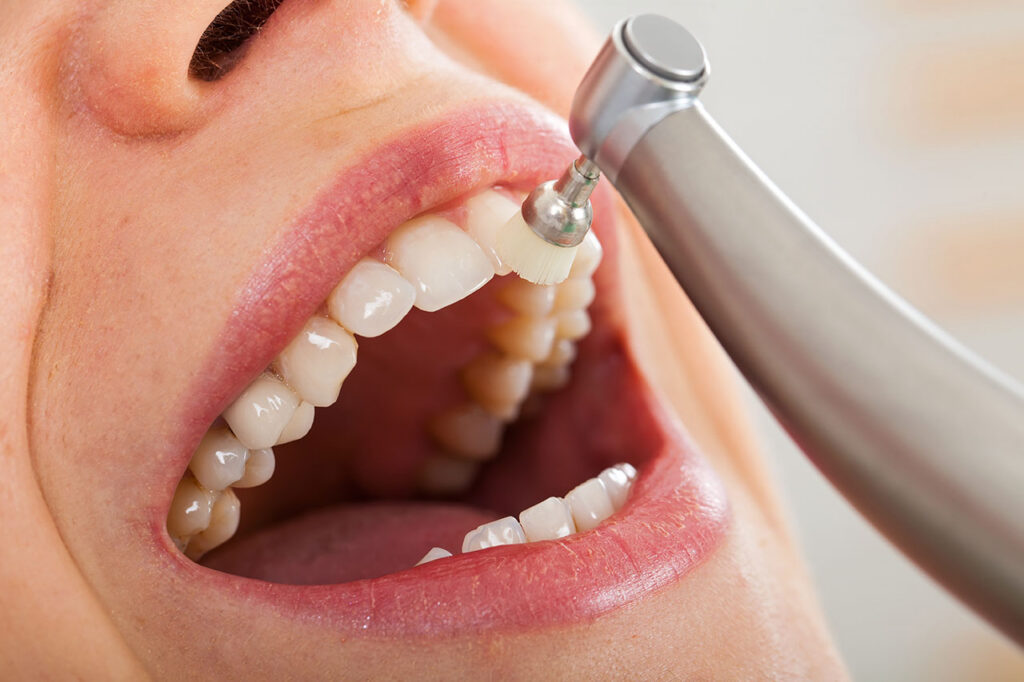
The cleaning itself often includes scaling, polishing, and flossing. Scaling removes plaque and tartar from the tooth surfaces and around the gumline. Then, polishing helps smooth the teeth and remove surface stains. Finally, flossing checks the spaces between teeth and clears any remaining debris. Although the steps are simple, they can make a major difference in keeping your smile healthy.
For many patients, cleanings are comfortable and straightforward. However, if gums are inflamed or tartar buildup is heavy, you may feel more sensitivity during the visit. Fortunately, your dental team can adjust their approach, explain what they are doing, and help you feel more at ease throughout the appointment.
Why Dental Cleanings Matter Even When Your Teeth Feel Fine
One reason dental cleanings are so valuable is that many oral health problems begin quietly. A small cavity may not hurt at first. Gum inflammation may only cause occasional bleeding. A filling may begin to wear around the edges before you notice discomfort. Therefore, waiting for pain can allow problems to progress.
Dental cleanings help reduce bacteria and buildup that contribute to cavities and gum disease. In addition, they create regular checkpoints for your oral health. If your hygienist notices more plaque in one area, they can show you how to clean it better. If your gums bleed in a specific spot, your dentist can determine whether it is related to buildup, brushing technique, a restoration, or early gum disease.
Cleanings are also helpful for patients with crowns, bridges, dentures, implants, or fillings. Dental work still needs routine maintenance because plaque can collect around margins and attachment points. In addition, your dentist can check whether restorations are fitting well and functioning properly. As a result, cleanings can help protect both natural teeth and previous dental investments.
Another benefit is fresher breath. While bad breath can have many causes, plaque, tartar, and gum inflammation are common contributors. Professional dental cleanings remove buildup that daily brushing may miss, which can help your mouth feel cleaner and more comfortable.
How Cleanings Support Healthier Gums
Healthy gums are the support system for your teeth. They should generally look firm, fit closely around the teeth, and not bleed easily during brushing or flossing. However, plaque along the gumline can irritate the tissue. When this irritation continues, gums may become red, swollen, tender, or prone to bleeding.
Routine dental cleanings help reduce this irritation by removing plaque and tartar. In addition, your hygienist can measure gum pockets to check whether the gums are staying healthy around the teeth. Deeper pockets may suggest that bacteria are affecting the tissues that support the teeth. Therefore, monitoring gum measurements over time helps your dental team identify changes early.
When gum inflammation is caught early, it may improve with professional cleaning and better home care. However, if gum disease progresses, patients may need more involved treatment. This is why prevention matters. Regular cleanings can help reduce the risk of gum problems becoming more serious.
Gum health also affects comfort. Inflamed gums can feel sore, bleed during brushing, and make eating certain foods less pleasant. Meanwhile, healthier gums help create a more stable, comfortable foundation for your smile. Because of this, dental cleanings are one of the simplest ways to support long-term oral wellness.
How Often Should You Schedule Dental Cleanings?
Many patients benefit from dental cleanings about every six months. However, the right schedule depends on your oral health. Some patients may need more frequent visits because of gum disease, heavy tartar buildup, dry mouth, frequent cavities, orthodontic appliances, medical conditions, or certain medications. Meanwhile, others may stay on a standard preventive schedule if their teeth and gums are stable.
Your dentist and hygienist can recommend a schedule based on your needs. This personalized timing is important because prevention should not be generic. For example, someone with a history of gum inflammation may need cleanings more often than someone with minimal buildup and healthy gums. In addition, patients with dental implants, bridges, or dentures may need specific maintenance instructions.
If it has been a while since your last cleaning, there is no need to feel embarrassed. Dental teams help patients restart care every day. The most important step is scheduling an appointment and getting a clear picture of your current oral health. From there, your dentist can help you move forward with a plan that feels manageable.
Simple Habits That Help Between Cleanings
Dental cleanings work best when paired with consistent home care. Brush twice daily with a soft-bristled toothbrush, paying attention to the gumline and the back teeth. In addition, floss once a day to clean between teeth where toothbrush bristles cannot reach. If traditional floss is difficult, ask your hygienist about floss picks, interdental brushes, or a water flosser.
Diet also matters. Frequent sipping on sugary drinks, grazing throughout the day, and acidic beverages can increase the risk of enamel wear and cavities. However, small changes can help. Drinking water, limiting frequent sugar exposure, and choosing balanced meals can support healthier teeth.
Also, pay attention to warning signs between visits. Bleeding gums, lingering sensitivity, persistent bad breath, a rough spot on a tooth, or a change in your bite should not be ignored. Even if the issue seems minor, a quick dental evaluation may prevent a larger problem later.
Ready for a Cleaner, Healthier Smile in Stuart, FL?
Dental cleanings are one of the most practical ways to protect your teeth, support gum health, and stay ahead of dental problems. With routine preventive care and simple home habits, you can keep your smile feeling fresh, comfortable, and strong.
Ready to schedule dental cleanings in Stuart, FL? Contact Family Dentistry of Stuart at (772) 287-8225 to Book an Appointment and keep your preventive care on track.