What if replacing a missing tooth could also help protect your bite, your chewing strength, and the natural shape of your smile? Dental implants are designed to replace missing teeth with support that begins below the gumline. At Family Dentistry of Stuart, dental implants in Stuart, FL may be recommended for patients who want a stable, long-term option for tooth replacement.
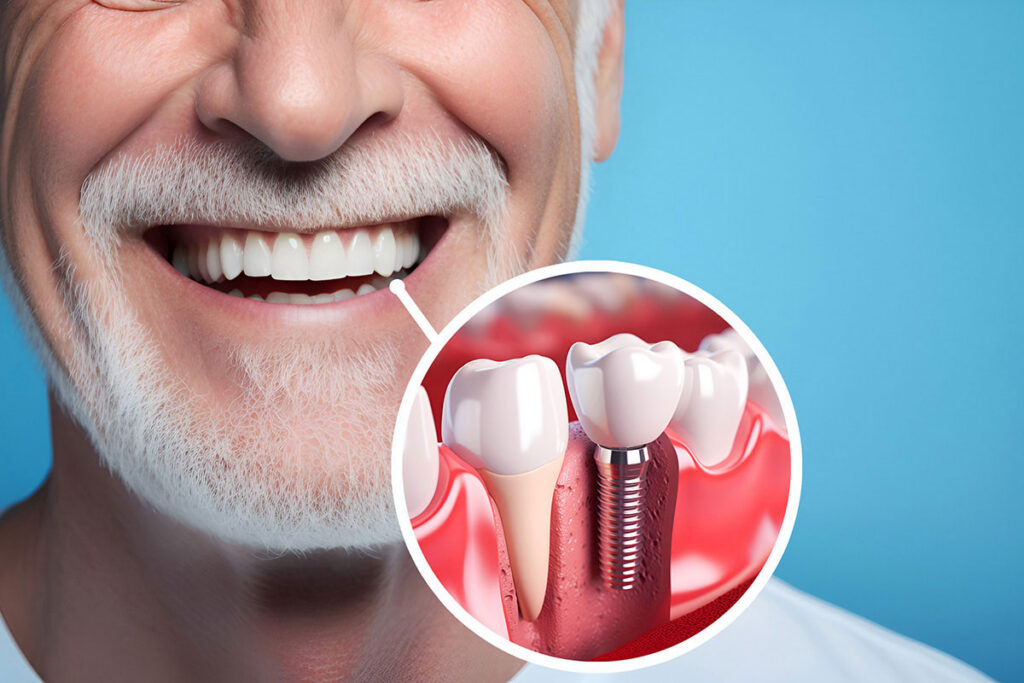
A dental implant is a small post that is placed in the jawbone to act as an artificial tooth root. After healing, the implant can support a crown, bridge, or denture. Because implants are anchored in the jaw, they can provide strong support for chewing and help create a natural feel. In addition, dental implants can replace one tooth, several teeth, or even help stabilize a full denture.
Missing teeth can affect more than appearance. Gaps can change chewing patterns, allow nearby teeth to shift, and make cleaning more difficult. Therefore, replacing missing teeth can be an important part of maintaining oral health. Dental implants are one option, and a consultation can help determine whether they fit your needs, health, and goals.
How Dental Implants Work
Dental implants are different from traditional bridges or removable dentures because they replace the root area of the missing tooth. The implant post is placed into the jawbone, where it gradually becomes stable as the surrounding bone heals around it. This healing process creates the foundation for the final restoration.
Once the implant is ready, an abutment is attached. The abutment connects the implant to the visible restoration. For a single missing tooth, the restoration is usually a custom crown. For multiple missing teeth, implants may support a bridge. For patients missing many or all teeth, implants may help secure a denture.
The timeline for dental implants varies. Some patients need preliminary care before implant placement, such as tooth extraction, gum treatment, or bone grafting. Others may be ready for implant planning after an exam and imaging. Because bone support is essential, your dentist will evaluate the jaw and surrounding tissues carefully.
Dental implants are planned around both function and appearance. The final restoration should fit the bite, look natural, and allow you to clean the area effectively. Therefore, successful implant treatment depends on planning, healing, restoration design, and long-term maintenance.
Why Replacing Missing Teeth Matters
When a tooth is missing, nearby teeth may begin to drift into the open space. This can change the bite and create areas that are harder to clean. Over time, uneven chewing forces may place extra pressure on remaining teeth. In addition, the opposing tooth may shift because it no longer has a tooth to meet when you bite.
Missing teeth can also affect food choices. Some patients avoid crunchy fruits, vegetables, or proteins because chewing feels less stable. Others chew mainly on one side, which can create strain. By restoring missing teeth, patients may regain better balance during meals.
Another concern is bone stimulation. Natural tooth roots help stimulate the jawbone during chewing. After tooth loss, the bone in that area may gradually change. Dental implants can help provide stimulation because they are anchored in the jaw. This is one reason implants are often discussed as a long-term tooth replacement option.
Of course, not every patient needs the same solution. Dental bridges and dentures can also replace missing teeth. The best choice depends on the number of missing teeth, bone support, gum health, budget, timeline, and personal preferences.
Benefits of Dental Implants
Dental implants offer several important advantages for many patients. First, they provide stable support because they are placed in the jawbone. This can make chewing feel more secure compared with some removable options. In addition, implant-supported restorations do not rely on natural suction alone for stability.
Second, dental implants help preserve neighboring teeth in certain cases. For example, a traditional bridge often requires crowns on the teeth beside the gap. A single implant crown may replace one missing tooth without reshaping the adjacent teeth, when conditions allow.
Third, dental implants can look natural. The visible crown, bridge, or denture can be designed to coordinate with surrounding teeth and facial features. The goal is a restoration that does not draw attention, but instead blends into your everyday smile.
Fourth, implants can support long-term oral function. With proper care, dental implants can provide durable support for tooth replacement. However, they still require maintenance. The implant itself cannot get a cavity, but the surrounding gums and bone must stay healthy.
Finally, dental implants can improve convenience. A fixed implant crown is brushed and flossed as part of your normal routine. Implant-supported dentures may feel more secure than traditional dentures. Therefore, implants can help many patients feel more comfortable with speaking, eating, and daily life.
Who May Be a Candidate for Dental Implants?
Good candidates for dental implants usually have healthy gums, enough jawbone to support the implant, and overall health that supports healing. However, candidacy is not always obvious without an exam. Your dentist may recommend imaging to evaluate bone height, bone width, nearby nerves, sinus position, and the shape of the missing tooth area.
If there is not enough bone, bone grafting may be discussed. If gum disease is present, periodontal care may be needed before implant placement. In addition, certain medical conditions, medications, tobacco use, or uncontrolled oral habits can affect healing and long-term success. Therefore, your dentist will review your health history carefully.
Patients who are missing one tooth may be candidates for a single implant crown. Patients missing several teeth may consider an implant-supported bridge. Patients with loose dentures may ask whether implant-supported dentures could provide better stability. Because implant treatment can be customized, the consultation is the best way to understand your options.
It is also important to have realistic expectations. Dental implants require planning and healing time. While some treatments can move quickly, others happen in stages. Your dentist can explain the timeline so you know what to expect.
What to Expect During the Dental Implant Process
The dental implant process begins with evaluation and planning. Your dentist will examine your mouth, review your medical history, and discuss your goals. Imaging may be used to evaluate bone support and plan implant placement. If you need extractions or other care first, those steps will be included in the plan.
During implant placement, the implant post is positioned in the jawbone. After placement, healing time allows the implant to become stable. During this period, your dentist may provide instructions for eating, cleaning, and protecting the area. Follow-up visits help monitor healing.
After the implant is ready, the restoration phase begins. A custom crown, bridge, or denture is created to attach to the implant or implants. Your dentist checks the fit, bite, shape, and appearance before completing the restoration.
Once treatment is finished, maintenance becomes essential. Routine exams allow your dentist to check the implant restoration, gum health, bite, and cleaning access. Consistent home care helps protect the tissues around the implant.
How to Care for Dental Implants
Dental implants need daily care just like natural teeth. Brush twice a day, clean between teeth daily, and keep routine dental visits. Your dental team may recommend special floss, interdental brushes, or a water flosser depending on the restoration design.
Gum health is especially important around implants. Although implants cannot decay, plaque can still irritate the surrounding tissue. If inflammation develops, it can threaten the support around the implant. Therefore, regular cleanings and careful home care are essential.
Avoid chewing ice or very hard objects because this can damage implant crowns or natural teeth. In addition, if you grind or clench, ask whether a nightguard is recommended. Heavy bite pressure can affect implant restorations and other dental work.
If an implant crown feels loose, if the gums bleed, if chewing feels different, or if you notice discomfort around an implant, schedule an evaluation. Early care can often prevent a small issue from becoming more complicated.
Ready to Replace Missing Teeth in Stuart, FL?
Dental implants can restore missing teeth with stability, strength, and natural-looking results. Whether you are missing one tooth or exploring options for several teeth, an implant consultation can help you understand what is possible and what steps may be needed.
Ready to learn more about dental implants in Stuart, FL? Contact Family Dentistry of Stuart at (772) 287-8225 to Book an Appointment and explore a personalized tooth replacement plan.