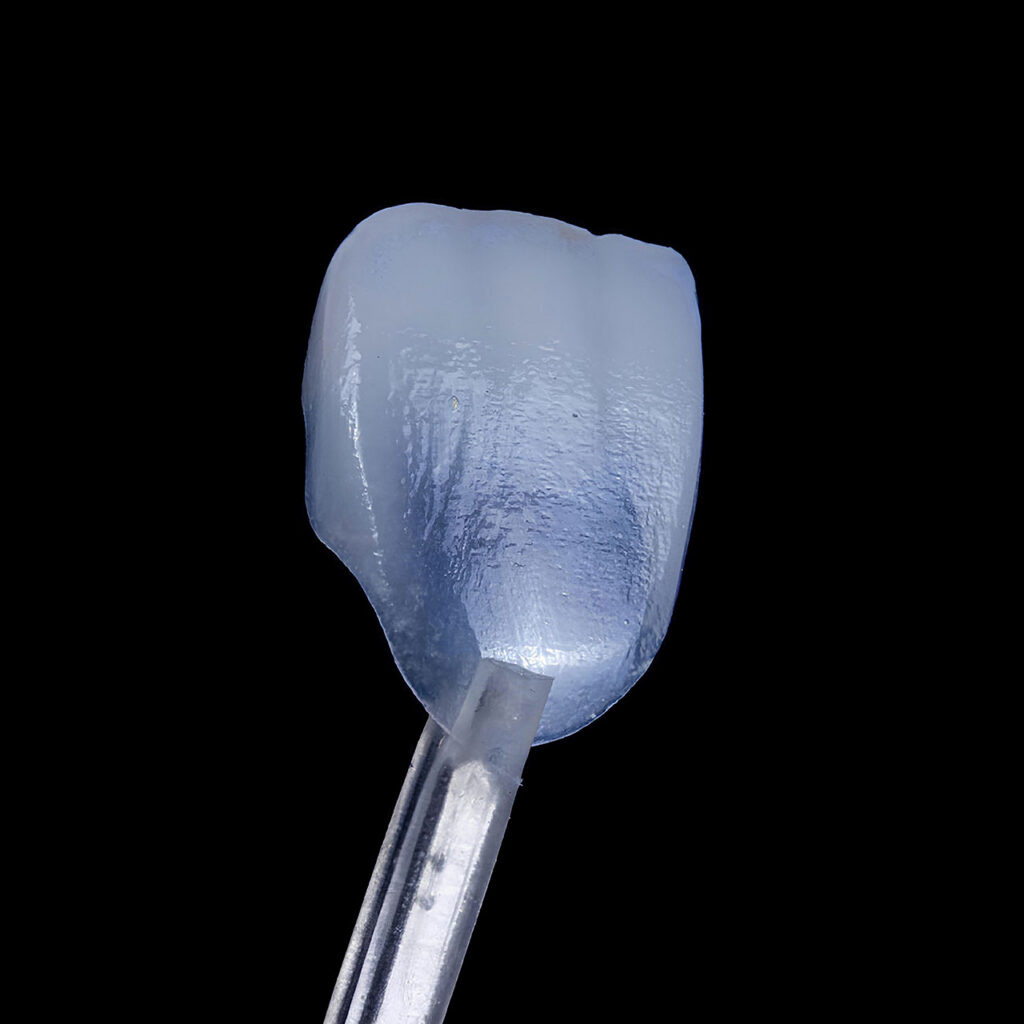
What if a few carefully planned changes could help your smile look more balanced without changing what makes it uniquely yours? Dental veneers are thin, custom-made restorations that cover the front surfaces of teeth to improve color, shape, size, and symmetry. At Family Dentistry of Stuart, dental veneers in Stuart, FL are designed with natural-looking results, comfort, and long-term oral health in mind.
Dental veneers are often used for teeth that are stained, chipped, uneven, slightly worn, or spaced in a way that affects smile balance. However, veneers are not about creating an artificial or identical smile for every patient. Instead, the best veneer treatment is carefully personalized. Your dentist considers your facial features, tooth proportions, bite, gumline, enamel, and goals before recommending a plan.
Because dental veneers involve the visible part of your smile, planning is especially important. A beautiful result should look natural, feel comfortable, and support healthy function. Therefore, a veneer consultation is the right first step for patients who want to understand whether veneers are appropriate and what other cosmetic options may also be available.
What Dental Veneers Can Improve
Dental veneers can address several cosmetic concerns at once. They may be recommended for teeth with discoloration that does not respond well to whitening, small chips, worn edges, slight gaps, uneven sizes, or shape concerns. In addition, veneers can help create a more consistent smile line when certain teeth appear shorter or less balanced than others.
One of the reasons patients ask about dental veneers is that they can make multiple improvements with one type of treatment. For example, a tooth that is both stained and slightly misshapen may be improved with a veneer rather than separate treatments. However, not every concern requires veneers. Some patients may do well with teeth whitening, bonding, or a single crown, depending on the condition of the teeth.
Veneers are usually placed on front teeth or other teeth that show when you smile. Since these teeth play an important role in appearance and speech, the restorations must be carefully designed. The shape, shade, translucency, length, and edge contour all affect the final result.
Healthy gums and enamel are also important. If gum inflammation, cavities, or bite problems are present, those concerns may need to be addressed before veneer treatment begins. This helps create a stable foundation and supports longer-lasting results.
Porcelain Veneers and Composite Veneers
There are different types of dental veneers, and your dentist can explain which may fit your needs. Porcelain veneers are custom-made in a dental lab and bonded to the teeth. They are known for their natural appearance, stain resistance, and durability. Because porcelain can reflect light in a way that resembles enamel, it is often chosen for front teeth.
Composite veneers are made from tooth-colored resin, often shaped directly on the tooth. They can be a more conservative or budget-friendly option for certain concerns. However, composite resin may not resist stains as well as porcelain and may not last as long in some cases. It can still be a helpful choice for smaller changes or temporary improvements.
The right material depends on your goals, budget, timeline, bite, and the number of teeth being treated. For example, a patient who wants a long-lasting transformation across several front teeth may choose porcelain veneers. Meanwhile, a patient with a small chip may be better suited for dental bonding.
During your consultation, your dentist can compare the appearance, maintenance, cost, and longevity of each option. This helps you make a decision based on facts rather than assumptions.
Benefits of Dental Veneers
Dental veneers offer several advantages for the right patient. First, veneers can improve several cosmetic concerns at the same time. Instead of addressing color, shape, and minor spacing separately, veneers can create a unified result with one coordinated plan.
Second, dental veneers are customized. The shade can be selected to look bright without appearing unnatural. The shape can be designed to fit your face and smile. In addition, the length and contour can be adjusted to create balance while still looking like your own teeth.
Third, porcelain veneers are stain-resistant compared with natural enamel. While they still require good care, they may maintain their shade well when patients brush, floss, and keep regular cleanings. This can be especially helpful for patients who want a longer-lasting cosmetic improvement.
Fourth, veneers can be conservative compared with some full-coverage restorations. They generally cover the front surface rather than the entire tooth. However, enamel removal may still be needed, so the decision should be made carefully with your dentist.
Finally, dental veneers can support confidence in everyday moments. The goal is not to make patients feel self-conscious about their current smiles. Rather, veneers offer an option for patients who already know they would like to refine certain details and want those changes to look natural.
What to Expect During the Veneer Process
The dental veneer process begins with a consultation. Your dentist will ask about your goals and evaluate your teeth, gums, bite, and existing restorations. Photos, X-rays, or digital scans may be recommended to help with planning. In addition, your dentist may discuss whether whitening should be done first if you want surrounding natural teeth to appear brighter.
If veneers are appropriate, the next step is planning the shade, shape, and number of teeth to treat. Some patients need one veneer for a single tooth that stands out. Others choose several veneers to create a more balanced smile line. Your dentist can explain which approach may produce the most natural result.
For porcelain veneers, a small amount of enamel may be reshaped so the veneer can fit naturally and not look bulky. Then impressions or scans are taken and sent to a dental lab. Temporary veneers may be placed depending on the case. When the final veneers are ready, your dentist checks the fit, shade, and appearance before bonding them to the teeth.
After placement, the bite is checked and adjusted if needed. Your veneers should feel smooth and comfortable. However, if something feels high, rough, or uneven after the appointment, contact the office for a follow-up.
How to Care for Dental Veneers
Dental veneers require consistent care, much like natural teeth. Brush twice a day with a soft-bristled toothbrush, floss daily, and keep routine dental cleanings. Good gum health helps veneers look better and last longer because the gums frame the restorations.
Avoid using your teeth to open packages, bite fingernails, chew ice, or hold objects. These habits can damage veneers and natural teeth. In addition, patients who grind or clench their teeth may need a nightguard. Nighttime bite pressure can place stress on veneers, crowns, fillings, and enamel.
Although porcelain veneers resist stains, it is still wise to be mindful of coffee, tea, red wine, and tobacco. Good hygiene and regular cleanings can help maintain the appearance of your smile. Meanwhile, composite veneers may require extra attention because resin can stain more easily over time.
If a veneer chips, loosens, or feels different, schedule an appointment rather than trying to fix it at home. Prompt care may allow your dentist to repair or replace the veneer before the underlying tooth is affected.
Are Dental Veneers Right for You?
Dental veneers may be a good option if your teeth and gums are healthy and you want to improve visible concerns such as discoloration, chips, uneven edges, or minor spacing. However, veneers may not be recommended if you have untreated cavities, active gum disease, severe enamel loss, or heavy grinding that is not managed.
Your dentist may also recommend other treatments depending on your goals. Whitening may be enough for discoloration. Bonding may work for a small chip. Crowns may be better for teeth with major structural damage. Therefore, the best cosmetic plan is based on both appearance and health.
A consultation helps you compare options clearly. You can discuss what bothers you, what you want to keep natural, and what level of change feels right. From there, your dentist can recommend a path that supports your smile and your comfort.
Ready to Explore Veneers in Stuart, FL?
Dental veneers can refine tooth color, shape, and balance with a customized approach that keeps your smile looking natural. With thoughtful planning and good maintenance, veneers may be a beautiful option for patients who want long-lasting cosmetic improvement.
Ready to learn more about dental veneers in Stuart, FL? Contact Family Dentistry of Stuart at (772) 287-8225 to Book an Appointment and explore whether veneers are right for your smile goals.