Fluoride treatments and dental sealants are two simple preventive treatments that lower your risk of cavities in different ways. Fluoride strengthens enamel on every tooth surface, while sealants block food and bacteria from the deep grooves of back teeth.
Dr. Michelle Kuznia, a member of the Academy of General Dentistry and the American Dental Association, builds a tailored prevention plan for each patient. She and the Family Dentistry of Stuart team review your cavity risk and dental history in Stuart, FL to recommend what fits your needs.
“Prevention is the simplest dental care there is. A small protective step today can help keep a healthy tooth from needing a filling later.” — Dr. Kuznia
How Fluoride and Sealants Differ
Fluoride and sealants address tooth decay through separate mechanisms. Fluoride treatments support remineralization, the process that returns minerals to tooth enamel after acid removes them, which strengthens enamel across all tooth surfaces. Dental sealants work differently.
A sealant is a thin coating applied to the chewing surfaces of back teeth, where pits and fissures trap food and bacteria. It forms a physical barrier that keeps debris out of those deep grooves. One approach strengthens enamel chemically; the other blocks decay mechanically. They are complementary, not interchangeable, and a dentist can help you sort out which one matches your situation.
Who May Benefit from Sealants or Fluoride
Children and adolescents are often good candidates for sealants on permanent molars, and research supports their use on primary molars as well. Adults with deep grooves in their back teeth and no existing decay or fillings on those surfaces may also benefit. Fluoride varnish can help a broader range of people. This includes those with a history of frequent cavities, dry mouth, or other factors that raise caries risk.
We review your decay risk and dental history and explain whether one or both treatments may make sense for you or a family member. Routine general dentistry visits provide a natural setting for that conversation.


How Sealants Help Protect Molars from Decay
Molars have occlusal surfaces with narrow pits and fissures that a toothbrush bristle often cannot reach. Food and bacterial biofilm collect there, and decay can start even with consistent brushing. A pit-and-fissure sealant flows into those grooves and hardens, creating a smooth surface that is easier to clean.
Sealants can also help stop the progression of early, noncavitated lesions by sealing off the area from bacteria and food particles. The application is quick and does not require drilling or removing tooth structure. For the right tooth at the right time, sealants offer a straightforward layer of protection where molars need it most.
How Fluoride Supports Enamel Remineralization
Every day, your tooth enamel loses and gains minerals in a cycle called demineralization and remineralization. When acids from plaque bacteria and sugars pull minerals out faster than they are replaced, cavities begin. Topical fluoride treatments deliver a concentrated dose of fluoride directly to the teeth, tipping the balance toward remineralization.
This strengthens enamel and makes it more resistant to future acid attacks. Fluoride reaches all exposed tooth surfaces, not just the chewing grooves, so it provides broad protection. For patients with elevated caries risk, professional fluoride applications add a layer of defense beyond what toothpaste and fluoridated water supply.
Staff very professional, kind and friendly. Christina, hygienist, very knowledgeable and provides tips for home care to improve daily care, beyond just brushing and flossing.
How Preventive Treatments Fit into Everyday Dental Care
Sealants and fluoride work best as part of a consistent routine. Brushing twice a day with fluoride toothpaste, cleaning between teeth, and eating a balanced diet all influence your cavity risk. Regular dental exams let us check sealants for wear, see if fluoride applications are still appropriate, and catch early signs of decay before they need fillings.
What to Discuss with Your Dentist About Prevention
When you talk with your dentist about prevention, ask which teeth may benefit from sealants. Ask whether your cavity history suggests fluoride treatments may help. You may want to understand how sealants vs fluoride treatment compare for your specific situation and whether both are appropriate. Other useful questions include how long a sealant typically lasts and how often fluoride varnish is applied.
You can also ask what to expect during and after each treatment. A focused conversation helps you leave with a clear plan rather than a generic recommendation.

Frequently Asked Questions About Fluoride and Sealants
-
Yes. Adults with deep grooves in their back teeth and no fillings on those surfaces can benefit. Sealants are not just for children, though they are often placed soon after permanent molars come in.
-
No. Fluoride varnish is painted on in a minute or two, and sealants are brushed onto clean, dry teeth and hardened with a light. Neither requires numbing or drilling.
-
Sealants can last several years with normal chewing. We check them at each exam and touch up or replace any that are worn or chipped.
-
It depends on your cavity risk. Patients with frequent cavities, dry mouth, or exposed root surfaces may benefit from professional fluoride at each cleaning, while others may not need it as often.
-
You can usually eat soft foods soon after, but avoid hot drinks and brushing for a few hours so the varnish has time to work. We will give you specific instructions at your visit.
-
Coverage varies by plan and sometimes by age. We accept all PPO insurance plans and most Medicare plans, and our insurance page explains how preventive benefits usually work.
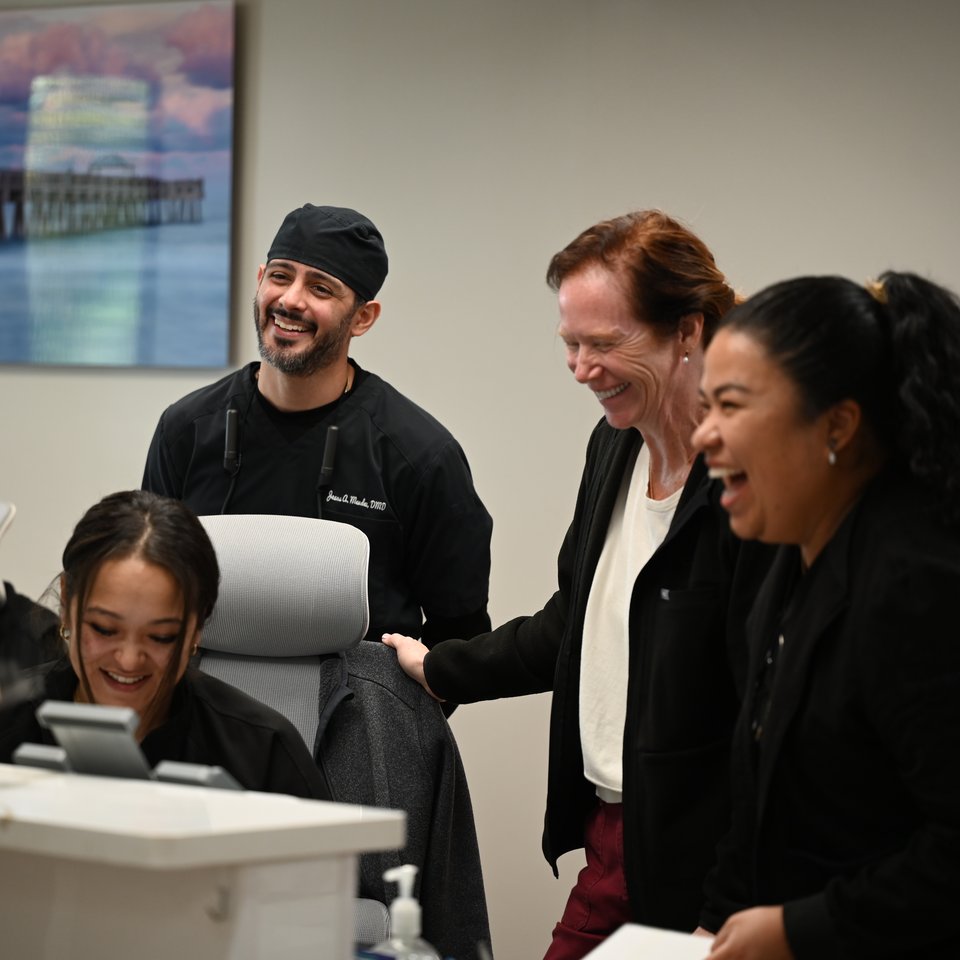
Why Choose Family Dentistry of Stuart for Fluoride and Sealants?
We help you prevent cavities before they start.
- Risk-Based Recommendations: We suggest fluoride or sealants based on your cavity history, not a one-size-fits-all routine.
- Quick, Comfortable Treatments: Both treatments take minutes and require no numbing or drilling.
- Home Care Coaching: Our hygienists share practical tips to strengthen your daily routine.
- Saturday Appointments: Weekend hours make it easier to keep up with preventive visits.
- Insurance and Financing: We accept all PPO plans and most Medicare plans and offer flexible financing options.
Ask About Fluoride and Sealants in Stuart, FL
If you are considering preventive treatment in Stuart, FL, Family Dentistry of Stuart is ready to answer your questions. We offer Saturday appointments and online booking to make scheduling easier.
Medically reviewed by Dr. Casel, DMD on