When several teeth are missing but some natural teeth remain, partial dentures can restore both function and appearance. A partial denture fills the gaps while using your remaining teeth for support, which helps maintain the natural structure of your mouth.
Dr. Jesus A. Mendez brings restorative and cosmetic experience to partial denture planning, and his approach centers on listening to patients and answering their questions. Our Family Dentistry of Stuart team builds an individual plan so you understand your choices before moving forward.
“When some natural teeth remain, a partial denture can fill the gaps while protecting the teeth you still have. I tailor the design to your mouth and your routine.” — Dr. Kuznia
What Partial Dentures Are and Who They May Suit
Partial dentures are removable appliances that replace several missing teeth in one arch. They work well when you still have healthy natural teeth that can serve as anchors. The appliance typically consists of replacement teeth set into a gum-colored base, often made from acrylic or a flexible material.
You may be a candidate if you have multiple gaps but do not need to replace every tooth in the arch. Your remaining teeth must be strong enough to support the partial, so we check them carefully first.
Partial Dentures Compared With Full Dentures
The key difference is how many teeth each option replaces. Full dentures replace all teeth in an arch. Partial dentures fill specific gaps and use remaining natural teeth for stability. Because partials clip or attach to existing teeth, they often feel more secure than a full denture that rests only on the gums. Some patients find the transition easier with a partial, since it preserves more of the mouth’s natural landmarks.


How Partial Dentures Attach to Natural Teeth
Most partial dentures use metal or flexible clasps that grip adjacent natural teeth. These clasps hold the appliance in place during eating and speaking while still allowing you to remove it for cleaning. Some designs use precision attachments that connect to crowns placed on supporting teeth, creating a more discreet fit.
The choice depends on the location of the gap, the strength of the anchor teeth, and your comfort preferences. A well-fitted partial should stay put during normal activity without causing undue pressure on the supporting teeth.
Partial Denture Materials and Designs
Partial dentures come in several material and design options. Acrylic partials are often cost-effective and can be relined easily if your mouth changes over time. Flexible partials use a softer base material that some patients find more comfortable and less noticeable.
Cast metal partials offer strength and durability, with a slim framework that can feel less bulky. The replacement teeth are selected to match the shade and shape of your natural teeth, helping the appliance blend in. We discuss these options so you can weigh fit, appearance, and budget before deciding.
Best dentist ever. I’ve been looking for a good dentist for 3 years. I found my home here. I’m so happy with them. They did an excellent job on my teeth. The people there treat you like family. A warm welcome when I come in. They are kind, caring and professional.
How We Plan Your Partial Denture
Treatment planning starts with a thorough exam of your remaining teeth, gums, and bite, along with X-rays to check the health of the teeth that will support the partial. After gathering this information, we create an individualized plan that outlines the type of partial, the attachment method, and the timeline.
How Partial Dentures Support Chewing, Speech, and Your Smile
Missing teeth can make chewing certain foods difficult and may affect how clearly you pronounce some words. A partial denture fills those gaps, giving you more surface area to break down food and helping your tongue and lips form sounds more naturally. The appliance also supports your cheeks and lips, which can prevent the sunken look that sometimes accompanies tooth loss.
While an adjustment period is normal, most people find that eating and speaking improve as they get used to wearing the partial. A well-designed partial also restores the visible portion of your smile, which can make a meaningful difference in social and professional settings.

Frequently Asked Questions About Partial Dentures
-
Most partials use small metal or flexible clasps that grip nearby natural teeth. Some use precision attachments that connect to crowns on the supporting teeth for a more discreet fit.
-
Replacement teeth are matched to the shade and shape of your natural teeth. Flexible bases and precision attachments can make a partial even less noticeable, depending on where the gaps are.
-
A partial is removable and usually the most affordable way to replace several teeth. A dental bridge or dental implants are fixed in place. We will compare the options based on your teeth and budget.
-
Most partials take a few visits over several weeks for the exam, impressions, a try-in, and the final fitting. If teeth need treatment first, the timeline will be longer.
-
Remove it daily and brush it with a soft brush and a nonabrasive denture cleanser. Brush your natural teeth well, especially the ones that support the clasps, and store the partial in water when it is out.
-
Your mouth changes over time, so a partial may need adjusting or relining. Call us rather than bending the clasps yourself, and we will check the fit.
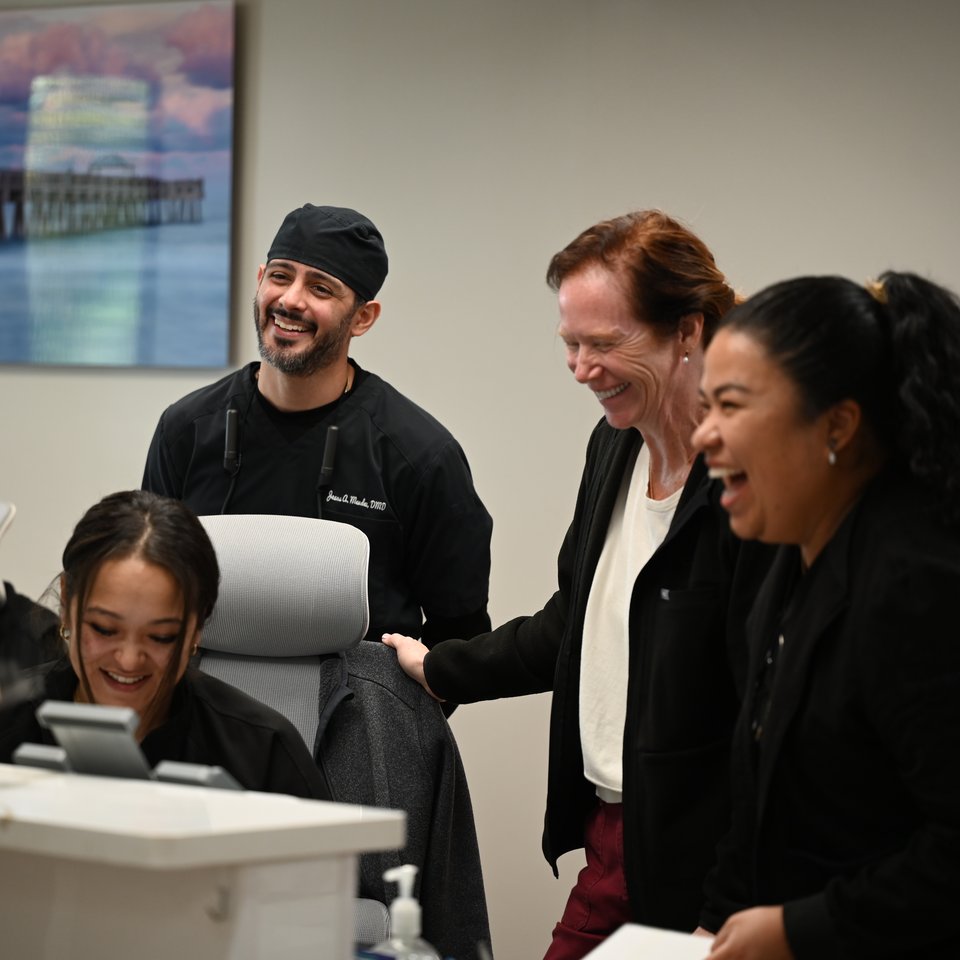
Why Choose Family Dentistry of Stuart for Partial Dentures?
Patients choose our Stuart office for partials that fit comfortably and protect the teeth they still have.
- Several Design Options: We offer acrylic, flexible, and cast metal partials to fit your needs and budget.
- Individual Treatment Plans: Dr. Mendez emphasizes listening to patients and planning care around each person.
- Care for Your Natural Teeth: We check the health of your supporting teeth before designing your partial.
- Saturday Appointments: Weekend hours make fittings and adjustments easier to schedule.
- Insurance and Financing: We accept all PPO plans and most Medicare plans and offer flexible financing options.
Schedule a Partial Dentures Consultation in Stuart, FL
If you are ready to explore partial dentures, the Family Dentistry of Stuart team is here to help you take the next step. We offer Saturday appointments, online booking, and financing options to make care more accessible.
A personalized evaluation will give you a clear picture of whether a partial denture suits your needs and which design may work well. Reach out to our office to schedule your consultation and start the conversation about restoring your smile with partial dentures.
Medically reviewed by Dr. Casel, DMD on