An oral cancer screening is a quick visual and physical exam that checks your mouth, throat, jaw, and neck for changes that may need a closer look. It takes only a few minutes, is part of your routine dental care, and can help catch concerns early, when they are easier to treat.
Dr. Daniel M. Casel, a Temple University School of Dentistry graduate with extensive postgraduate education in general and restorative dentistry, includes a careful screening in routine exams at Family Dentistry of Stuart. We use VELscope screening alongside the visual exam and intraoral cameras in every operatory to document what we see in Stuart, FL.
“Early changes in the mouth are often painless, so a careful screening at each exam matters. VELscope gives us one more way to look closely, and anything unusual gets followed up.” — Dr. Casel
What an Oral Cancer Screening Involves
An oral cancer screening is a step-by-step exam, not a single test. The dentist visually inspects the soft tissues inside your mouth and checks the face, jaw, and neck for unusual lumps or swelling. The exam also includes gently feeling the tissues under the chin and along the jawline. No special preparation is needed, and the screening typically takes just a few minutes during a regular checkup.
The goal is to identify oral lesions, red or white patches, or other changes that may need closer evaluation. A screening does not diagnose cancer. If a suspicious area is found, the next step is further assessment, which may include a biopsy.
Which Areas the Dentist Examines
During the visual examination, the dentist checks the lips, the inside of the cheeks, the gums, and the roof and floor of the mouth. The dentist also checks the tongue, including underneath and along the sides. The back of the throat is also inspected. Tissue palpation, or gently pressing and feeling the tissues, helps detect lumps or thickened areas that are not visible.
The dentist also feels along the jaw and neck for any swelling or asymmetry. These steps cover all the soft-tissue surfaces where concerning changes can develop. Because some areas are hard to see on your own, this professional check adds vigilance that self-exams cannot replace.


Who May Benefit from Discussing Screening with a Dentist
Any adult can benefit from an oral cancer screening as part of a routine dental visit. People who use tobacco, drink alcohol regularly, or have had significant sun exposure may have higher risk. They may want to ask a dentist how often to be screened.
Anyone who notices a mouth sore that does not heal within two weeks, a persistent lump, or a red or white patch should bring it to the dentist’s attention promptly. We are happy to talk through your risk factors and a screening schedule that makes sense for you.
How to Ask About Screening During a Dental Visit
You can simply tell the dentist you are interested in an oral cancer screening. Because the exam is often part of a standard checkup, you may already be receiving it. If you have a specific concern, such as a sore spot or a family history of cancer, mention it at the start of the appointment.
You can note your interest by phone, text, or online when you schedule. Screening does not require a separate visit, because it fits naturally into a routine exam, and the dentist can explain what is being checked at each step.
I want to thank everyone from the front desk all the way up to the dentist for making my experience very pleasant. Went in for a checkup and was given a complete explanation of what needed to be done. The dentist made it super painless. Will definitely be going back.
How VELscope May Support the Visual Examination
VELscope is a handheld device that uses a specific wavelength of light to help the dentist see tissue changes that may not be obvious under standard lighting. During use, the dentist shines the light onto the oral tissues. Healthy tissue typically appears one way, while areas of concern may show a different fluorescence pattern.
This can help the dentist decide whether an area needs closer inspection or follow-up. VELscope adds to the visual and hands-on exam rather than replacing it.
What Follow-Up May Involve After an Unusual Finding
If the dentist finds an unusual area, they may recommend watching it closely or seeking further evaluation. A small, non-suspicious lesion might be rechecked at a follow-up visit in a few weeks. If the area appears more concerning, the dentist may refer you for a biopsy, which is the only way to confirm whether cancer is present.
Our intraoral cameras can capture images to track changes over time, giving you and the dentist a clear record. We will explain what was found and what the recommended next steps mean for you.

Frequently Asked Questions About Oral Cancer Screening
-
No. A screening looks for changes that may need closer evaluation. If we find a concerning area, the next step may be a recheck or a referral for a biopsy, which is the only way to confirm a diagnosis.
-
Most adults are screened during routine exams, usually every six months. If you use tobacco, drink alcohol regularly, or have a history of oral lesions, we may check certain areas more closely.
-
No. The dentist looks at your mouth, throat, and tongue and gently feels your jaw and neck. VELscope uses a special light and does not touch your tissues.
-
Watch for a sore that does not heal within two weeks, a red or white patch, a lump or thickened area, ongoing hoarseness, or trouble swallowing. Call us if you notice any of these.
-
No. Screening is part of your routine dental exam. If you have a specific concern, you can also call us to schedule a visit sooner.
-
Screening is usually included in your routine exam, which most dental plans cover as preventive care. Our insurance page explains how benefits usually work.
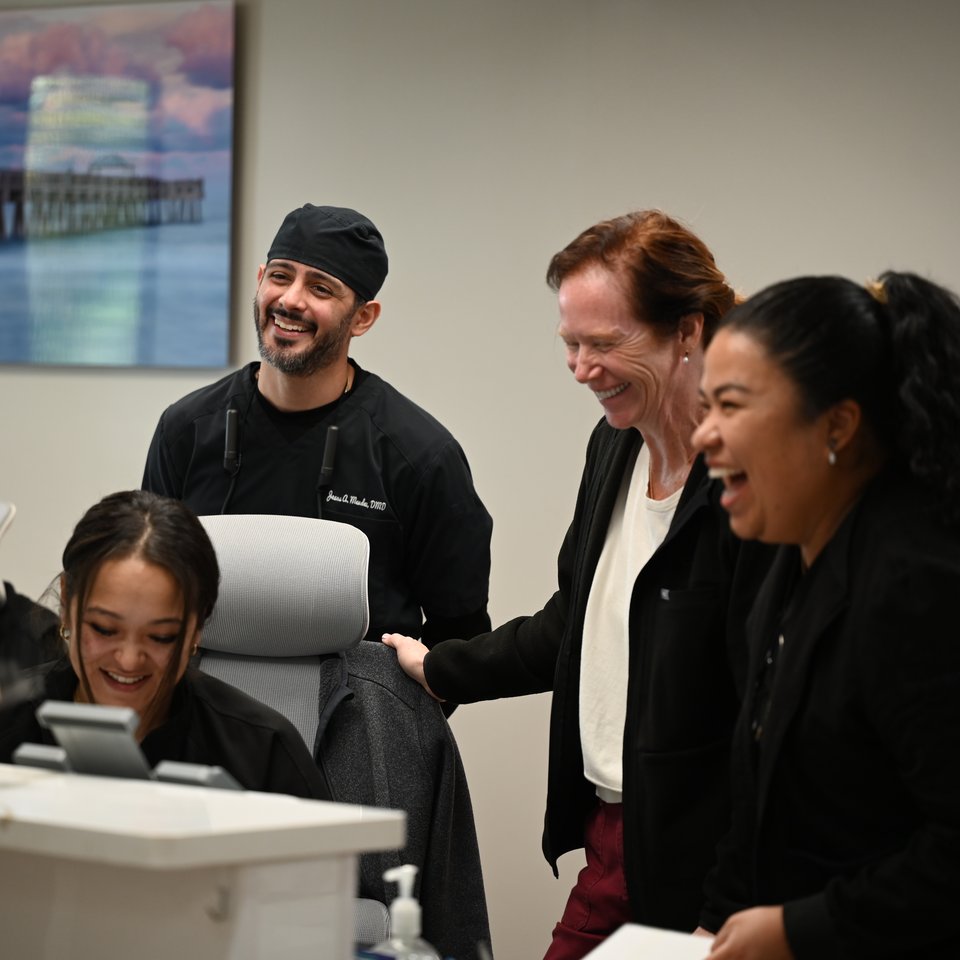
Why Choose Family Dentistry of Stuart for Oral Cancer Screening?
We make screening a careful, routine part of every exam.
- VELscope Screening: We use VELscope alongside the visual exam to help spot tissue changes that need a closer look.
- Intraoral Cameras: Images let us document and track any area over time and show you exactly what we see.
- Screening at Every Exam: A quick check is built into your routine visits, with no separate appointment needed.
- Clear Follow-Up: If anything looks unusual, we explain the next steps and arrange a recheck or referral.
- Saturday Appointments: Weekend hours make it easier to stay current with checkups.
Schedule an Oral Cancer Screening in Stuart, FL
An oral cancer screening is a quick, important part of looking after your overall health. Family Dentistry of Stuart includes this exam in routine care, supported by VELscope and intraoral cameras.
Saturday appointments and online booking are available. Contact our Stuart, FL office to schedule your next visit and include an oral cancer screening as part of your exam.
Medically reviewed by Dr. Casel, DMD on