When an adult tooth gets knocked out, every minute matters. Handle it by the crown, keep it moist, and get to a dentist within 30 to 60 minutes if you can, because quick care gives the tooth the best chance of being saved.
Dr. Jesus A. Mendez, who earned his Doctor of Dental Medicine from Boston University Henry M. Goldman School of Dental Medicine and has restorative and surgical experience, is part of the Family Dentistry of Stuart team that provides urgent evaluation and care for dental injuries in Stuart, FL. Same-day emergency visits and Saturday appointments help you get care quickly.
“With a knocked-out adult tooth, every minute counts. Keep the tooth moist, handle it by the crown, and get to a dentist as quickly as you can.” — Dr. Mendez
What to Do When a Tooth Is Knocked Out
Pick up the tooth by the crown, which is the white chewing surface. Avoid touching the root. If the tooth is dirty, gently rinse it with water. Do not scrub it or remove any attached tissue.
If you can do so comfortably, try to place the tooth back into its socket and hold it in place with gentle finger pressure or by biting down on clean gauze. If reinsertion is not possible, keep the tooth moist. Place it in a small container of milk or hold it inside your cheek next to your gums.
Never put a baby tooth back in the socket, because it can damage the permanent tooth developing underneath. Then get to a dentist right away, ideally within 30 to 60 minutes, because prompt professional care gives an adult tooth the best chance of being saved.
When Dental Trauma Needs Urgent Care
A knocked-out tooth is one clear reason to seek prompt care, but other injuries also need prompt attention. Cracked or broken teeth, a tooth pushed out of position, soft-tissue cuts inside the mouth, and bleeding that does not stop all qualify as dental emergencies. Severe pain, swelling, or signs of infection such as a pimple-like bump on the gum also call for an urgent visit.
If you have a serious injury outside of regular office hours, an emergency room can help with bleeding control and pain management. For the dental injury itself, we offer Saturday appointments and same-day emergency dentistry. Call our office right away so we can see you as quickly as possible.


What to Expect During an Emergency Dental Exam
Your emergency visit begins with questions about what happened and any relevant medical history. The dentist examines the injured tooth, surrounding gums, and nearby teeth. X-rays are often taken to see damage below the gumline, and CBCT imaging can give a detailed view of the root and bone when needed. Intraoral cameras give you a clear view of what the dentist sees, and after the exam we walk you through your options.
How Dentists Assess Tooth-Saving Options
After a tooth is knocked out or displaced, the dentist checks the condition of the root, the socket, and the surrounding bone. Time out of the mouth and how the tooth was stored both affect the outlook. A tooth kept moist in milk or saliva and reimplanted quickly has a better chance of staying viable.
The dentist also looks for fractures in the root or damage to the periodontal ligament. If the tooth can be saved, the next step is stabilizing it. When saving the tooth is not possible, the conversation shifts to replacement options that fit your health and goals.
Had a dental emergency and was referred by a friend. It worked out great. They saw me immediately and were extremely professional. From reception to the dental assistant and dentist, it was seamless.
Treatments for Saving or Restoring an Injured Tooth
When a knocked-out tooth is successfully reimplanted, the dentist stabilizes it by bonding it to neighboring teeth with a flexible splint. Root canal treatment may follow, depending on how the tooth heals, and individual results vary. For cracked or broken teeth that remain anchored in the bone, options include composite bonding, porcelain inlays or onlays, and full zirconia crowns. If a tooth cannot be saved, we will discuss replacement options such as a bridge or dental implant.
Help for Damaged Crowns, Bridges, and Fillings
Trauma does not only affect natural teeth. A fall or blow to the mouth can crack a crown, dislodge a bridge, or damage a filling. Do not try to repair broken restorations at home. Instead, keep the area clean and call for an appointment.
We evaluate the damage and check for hidden injury to the tooth underneath. Depending on what we find, treatment may involve recementing a crown, replacing a filling, or making a new restoration. Composite fillings, crowns, bridges, and implant restorations may be used to address new injuries or failed existing work.

Frequently Asked Questions About a Knocked-Out Tooth
-
As fast as possible, ideally within 30 to 60 minutes. The longer a tooth is out of the mouth, the lower the chance it can be saved. Call us on the way so we can be ready. See our emergency dentistry page for what to expect.
-
The best place is back in the socket. If that is not possible, keep it in a small container of milk or inside your cheek next to your gums. Do not store it in tap water or let it dry out.
-
No. Never reinsert a baby tooth, because it can damage the permanent tooth developing underneath. Bring your child in so we can check the area and the other teeth.
-
Go to the emergency room or call 911 for a head injury, loss of consciousness, bleeding that will not stop, or trouble breathing. Once the person is stable, we can treat the dental injury.
-
Many reimplanted teeth can be kept for years, especially when they are replanted quickly and stored well. The tooth often needs a splint and sometimes a root canal, and we follow it closely with checkups.
-
We will talk through replacement options, such as a bridge or a single tooth implant, and help you choose what fits your health and goals.
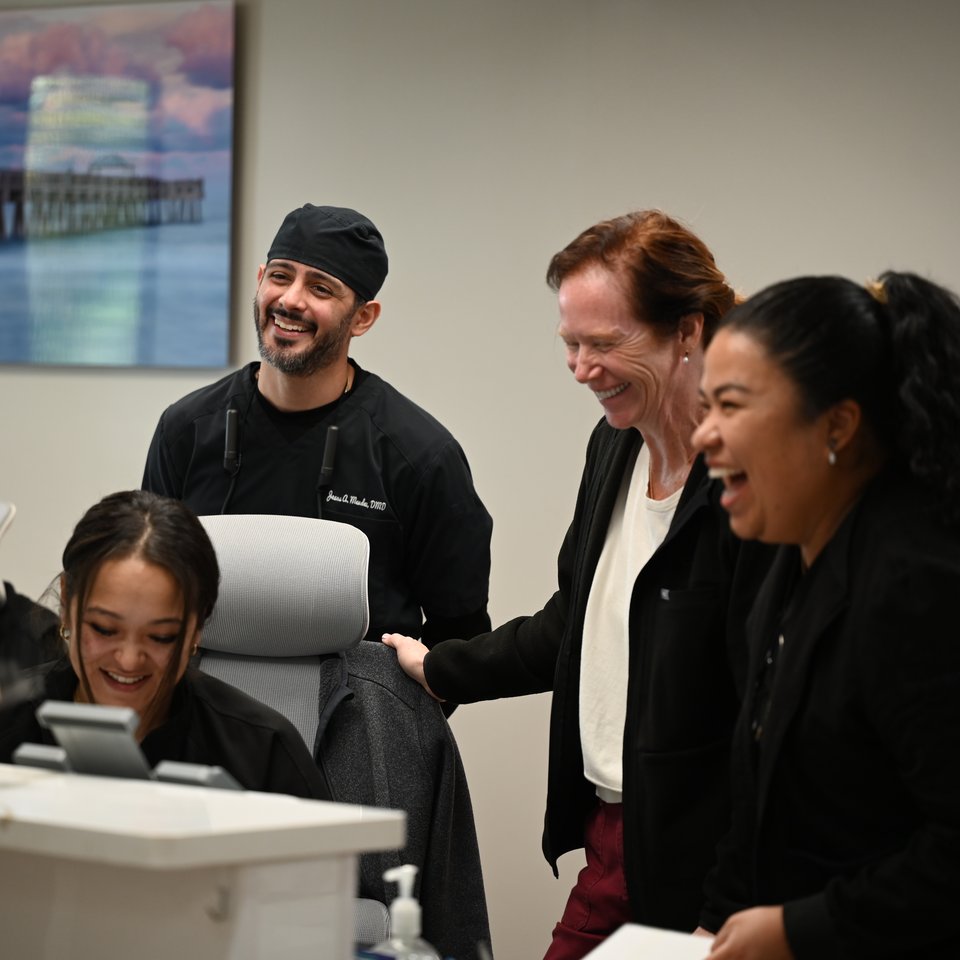
Why Choose Family Dentistry of Stuart for Dental Trauma?
After an injury, we act quickly to save the tooth and plan the next steps with you.
- Same-Day Emergency Appointments: We offer same-day emergency appointments for urgent injuries and see you as soon as we can.
- Saturday Hours: Weekend appointments help when an injury happens outside the work week.
- Careful Assessment: X-rays, intraoral cameras, and CBCT imaging when needed show the full extent of the injury.
- Restoration and Replacement Options: Bonding, crowns, bridges, and implant restorations are all available if the tooth needs repair or replacement.
- Insurance and Financing: We accept all PPO plans and most Medicare plans and offer flexible financing options.
Contact Family Dentistry Of Stuart For Knocked-Out Tooth Care
If you or a family member has a knocked-out tooth or dental trauma in Stuart, FL, call Dr. Daniel M. Casel and the Family Dentistry of Stuart team right away. We offer Saturday appointments, same-day emergency dentistry, and online booking to make urgent care easier to reach.
We accept all PPO insurance plans and most Medicare plans, and financing options are available. Contact us to confirm your plan details.
Medically reviewed by Dr. Casel, DMD on