Clear aligners are custom-made, removable trays that gradually move teeth into planned positions. For patients in Stuart, FL, who want a straighter smile without brackets and wires, we begin with a full evaluation to see whether aligners are a good fit.
Dr. Daniel M. Casel earned his dental degree from Temple University School of Dentistry and has pursued extensive postgraduate education in general and restorative dentistry. He and the Family Dentistry of Stuart team look at your goals, your bite, and the health of your teeth and gums before recommending clear aligner treatment.
What Clear Aligners Are and How They Move Teeth
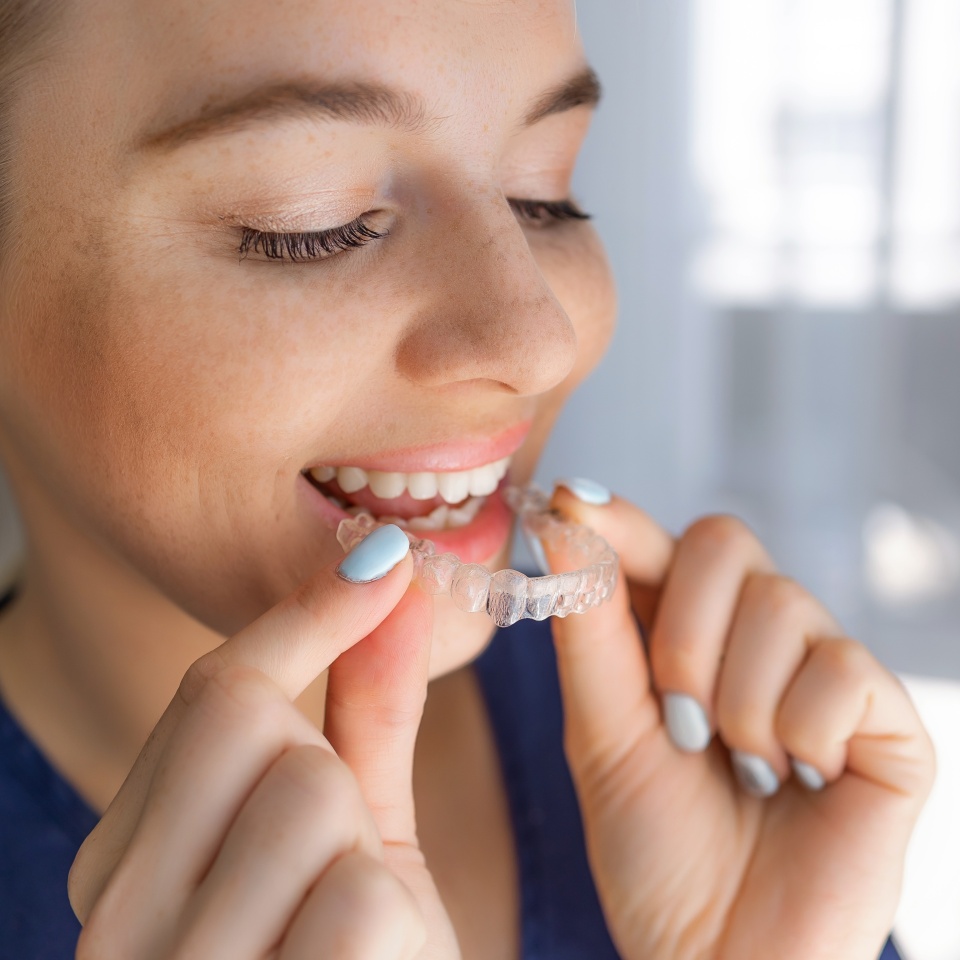
Clear aligners are thin, transparent plastic trays fabricated to fit snugly over the teeth. Each tray in the series is slightly different from the one before it. The aligners apply gentle, controlled pressure to specific teeth at specific times, guiding them step by step toward the positions mapped in a treatment plan.
Because the trays are made from clear material, they tend to be less noticeable than traditional metal brackets and wires. The number of aligners in a full series varies depending on the tooth movements needed.
Which Tooth Alignment Concerns May Suit This Approach
Clear aligners may help with crooked or crowded teeth, gaps, and some mild to moderate bite irregularities. Not every alignment issue fits the clear aligner approach equally well.
Some complex bite problems or severe crowding may need a different or combined orthodontic method. An evaluation can help determine whether a person’s tooth positions and bite make clear aligners a practical choice.
What a Dental Assessment Can Consider
Before any clear aligner treatment begins, a dental assessment looks at the full picture of oral health. We examine the teeth, gums, bite, and jaw relationship. Diagnostic records such as digital scans or impressions may be taken to map current tooth positions.
The assessment also checks for concerns like decay or gum inflammation that could affect treatment. This step helps identify which alignment issues are present and whether clear aligners are an appropriate option. If another approach would serve the patient better, that discussion happens here.

How Treatment Planning and Progress Checks Typically Work
Once you decide to move forward, we create a treatment plan. Digital scans or impressions can be used to design the series of aligners and estimate the sequence of tooth movements. During treatment, periodic progress checks let us monitor how your teeth are responding and confirm the plan stays on track. Adjustments can be made if needed, and we guide you through each phase of the process.
How Removable Trays Fit into Meals and Oral Hygiene
One practical feature of clear aligners is that the trays are removable. Patients take them out before eating or drinking anything other than water, which means there are no food restrictions tied to brackets or wires. Brushing and flossing also stay straightforward because the aligners come out for daily oral hygiene. Some patients choose clear trays over fixed braces because they are less noticeable in daily life.
My first impression was that everyone seemed to be enjoying their jobs! My Hygienist was amazing – thorough, informative and friendly. The dentist was open and obviously loved doing what she does. She was honest – but not pushy, and professional while being friendly. I’ve finally found a dental practice I trust and that I’ll return to!!
Why Consistent Wear Matters During Treatment
Clear aligner treatment depends heavily on following the wear schedule we recommend. Aligners typically need to be worn for the prescribed number of hours each day and changed to the next tray at the directed intervals. Skipping wear time or delaying tray changes can slow progress or affect how well the teeth track with the planned movements. We explain the schedule clearly at the start so you understand why following it matters for your result.
How Retainers Help Maintain Tooth Position
After the active phase of tooth movement finishes, teeth naturally tend to shift back toward their old positions. Retainers are often recommended to help hold the new alignment in place. A retainer may be removable or fixed, depending on the patient’s needs and the treating professional’s guidance.
Wearing a retainer as directed is an important part of protecting the time and effort invested in treatment. We discuss retainer options and wear expectations before the active aligner phase ends so the transition is clear.

Frequently Asked Questions About Clear Aligners
-
It depends on how much your teeth need to move. Mild cases may finish in several months, while more complex cases take longer. We give you an estimated timeline after your evaluation.
-
Most people feel pressure or mild soreness for a day or two when they switch to a new tray. That is a sign the aligners are working, and it usually fades quickly.
-
Aligners are typically worn most of the day and night, taken out only to eat, drink anything other than water, and clean your teeth. Following the schedule closely keeps treatment on track.
-
Yes. You remove the trays to eat, so there are no food restrictions like there are with braces. Brush before putting the aligners back in to keep food from being trapped against your teeth.
-
Yes. Teeth tend to drift back after treatment, so a retainer helps hold your new alignment. We discuss retainer options before your active treatment ends.
-
Some bite problems or severe crowding need a different approach. We will explain your options, and cosmetic treatments like dental bonding or veneers can sometimes improve the look of mildly uneven teeth.

Why Choose Family Dentistry of Stuart for Clear Aligners?
Patients choose our Stuart office for aligner care that starts with a careful evaluation.
- Thorough Evaluation First: We check your teeth, gums, and bite before recommending aligners.
- Healthy Gums During Treatment: Our focus on periodontal health helps protect your gums while teeth move.
- Clear Visual Explanations: Intraoral camera images help you see what we see during your consultation.
- Saturday Appointments: Weekend hours make progress checks easier to fit into your schedule.
- Financing Options: Flexible payment plans can help make treatment more affordable.
Ask About Clear Aligners in Stuart, FL
If you have been thinking about a straighter smile, clear aligners may be worth discussing. The Family Dentistry of Stuart team can assess your teeth, answer your questions, and help you decide whether clear aligners fit your needs.
Saturday appointments and online booking are available. Contact our office to set up a consultation and learn more about your options for cosmetic dentistry and tooth alignment.
Medically reviewed by Dr. Casel, DMD on