Dental veneers are thin, custom-made shells that cover the front surface of a tooth. They are a popular cosmetic option for changing the color, shape, or size of front teeth and closing small gaps, and we offer both porcelain and composite resin veneers in Stuart, FL.
Dr. Daniel M. Casel earned his dental degree from Temple University School of Dentistry, and his documented restorative work includes porcelain veneers, full zirconia crowns, and porcelain inlays and onlays. He and the Family Dentistry of Stuart team plan each case around your goals and the health of your gums.
“Veneers should look like your own teeth on their best day. I plan each case around the shape of your smile and the health of your gums, so the result looks natural.” — Dr. Casel
What Dental Veneers Are and How They Cover Teeth
Dental veneers are thin, tooth-colored shells bonded to the front surface of a tooth. They are custom-made to fit the shape and size of the tooth being treated. Unlike a crown, which covers the entire tooth, a veneer covers only the front.
The goal is to create a natural-looking surface that blends with the surrounding teeth. We explain how the thickness, shade, and shape of each veneer are chosen to match your smile.
Which Tooth Concerns This Treatment May Address
Veneers may help improve the look of teeth that are stained, worn down, chipped, or uneven in shape or size. They can also close small gaps between teeth. The treatment changes the visible front surface, so it works well for concerns that are cosmetic rather than structural.
If a tooth has decay or gum problems, those issues need attention before a veneer is placed. During a consultation, the dentist will look at the condition of your teeth and gums and talk with you about whether veneers can give you the result you want.
How Porcelain and Composite Materials Differ
Two common types of veneers are porcelain and composite resin. Porcelain veneers are made to fit the tooth and are known for being durable and resisting stains well. The material also has a translucent quality that can create a very natural tooth look. Composite resin veneers are applied directly to the tooth and shaped by the dentist. They typically have a shorter lifespan and cost less than porcelain. We explain how the two differ in look, lifespan, and cost so you can decide which material fits your priorities and budget.


Who May Be a Candidate for Veneer Treatment
You may be a candidate for veneers if your teeth and gums are healthy and you have cosmetic concerns about the front teeth. The dentist will check for decay, gum disease, and enamel wear before recommending treatment. If you grind your teeth or have significant misalignment, other options may be more suitable. Because healthy gums frame every veneer, we include your gums in the evaluation as part of your cosmetic dentistry plan.
What Happens During Porcelain Veneer Placement
Porcelain veneer placement usually takes two visits. At the first visit, the tooth is prepared by trimming a small amount of enamel so the veneer can bond on top and sit flush with the surrounding teeth. An impression is taken and sent to a dental laboratory, where the permanent veneer is made. A temporary veneer may be placed to protect the tooth while you wait.
At the second visit, the temporary veneer is removed and the permanent one is checked for fit and appearance. Adjustments are made before bonding because porcelain is difficult to adjust once it is attached. When you and the dentist are satisfied with the look and feel, the veneer is bonded to the tooth.
I had a wonderful experience at my dentist yesterday. The whole staff was great n friendly n professional and they did my impressions quickly and was done right on the first time. Very happy with my new dentist. I would highly recommended if your not to keen on going to the dentist they make it fun and relaxing!!!
How Composite Veneers Are Applied
Composite resin veneers are applied directly to the tooth in a single visit. The dentist shapes and layers the tooth-colored material onto the front surface, then hardens it with a special light. The surface is polished to match the sheen of nearby teeth.
Because composite veneers are not made in a laboratory, the process is faster and usually costs less. The trade-off is that composite may not last as long as porcelain and can stain more easily over time. We can help you compare same-day composite treatment with porcelain veneers, which are made in a lab and may last longer.
How Veneers Compare with Whitening and Dental Bonding
Veneers, whitening, and dental bonding all improve the look of teeth, but they work in different ways. Whitening lightens natural tooth enamel and works mainly on surface stains, but it does not change the shape or size of teeth. Bonding uses a tooth-colored resin to repair small chips or reshape a tooth, and it can be done in one visit.
Veneers cover the entire front surface and can address color, shape, size, and small gaps at the same time. We offer all three and can explain which option, or combination, fits your situation.

Frequently Asked Questions About Dental Veneers
-
Porcelain veneers can last many years with good care, while composite veneers usually need repair or replacement sooner. Brushing, flossing, regular checkups, and avoiding biting hard objects all help veneers last.
-
Porcelain veneers usually require removing a thin layer of enamel so the veneer sits flush, and that step is not reversible. Composite veneers often need little or no enamel removal. We explain what your case requires before you decide.
-
Most patients feel little discomfort. We use local anesthetic when the teeth are prepared, and any sensitivity afterward is usually mild and short-lived.
-
No. Porcelain and composite do not respond to whitening. If you want whiter teeth overall, we often recommend teeth whitening first so your veneers can be matched to your brighter shade.
-
For a small chip, dental bonding is often quicker and more affordable. Veneers make more sense when you want to change the color, shape, or size of several front teeth at once.
-
Veneers placed only to improve appearance are usually not covered by insurance. We can review your benefits and explain financing options before treatment begins.
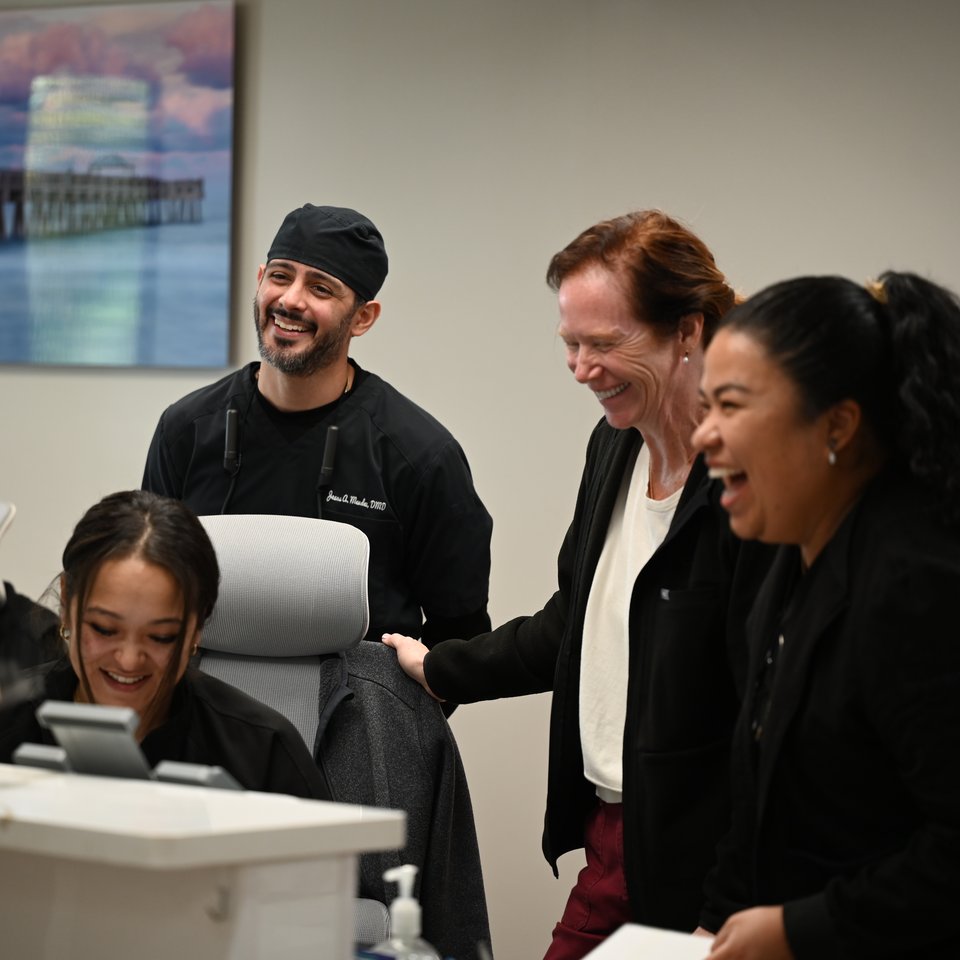
Why Choose Family Dentistry of Stuart for Dental Veneers?
Patients choose our Stuart office for veneers that look natural and fit their smile.
- Documented Veneer Experience: Dr. Casel’s restorative work includes porcelain veneers, full zirconia crowns, and porcelain inlays and onlays.
- Porcelain and Composite Options: We help you compare durability, appearance, and cost before you choose a material.
- Healthy Gums First: We check your teeth and gums so your veneers have a strong, healthy foundation.
- Clear Visual Explanations: Intraoral camera images help you see the details we discuss during your consultation.
- Saturday Appointments: Weekend hours make it easier to fit veneer visits into your schedule.
Schedule a Dental Veneers Consultation in Stuart, FL
If you want to see whether veneers are right for your smile, Dr. Daniel M. Casel and the Family Dentistry of Stuart team are happy to meet with you. We explain the process and answer your questions before treatment begins, and Saturday appointments, online booking, and financing options make it easier to get started. Contact our Stuart, FL office to schedule your visit.
Medically reviewed by Dr. Casel, DMD on