When a tooth is missing, the jawbone beneath it can begin to shrink over time. Bone grafting rebuilds that foundation, so dental implants can become a realistic option even after bone loss.
Dr. Jesus A. Mendez has training in dental implants and full-arch rehabilitation, known as All-on-X. Our Family Dentistry of Stuart team uses CBCT imaging and a careful evaluation to see whether grafting would support your implant plan. If you have been told you lack enough bone for implants, an assessment can clarify what is possible.
“A strong foundation is what helps an implant last. When bone is thin, rebuilding it first gives the implant and the final tooth the support they need.” — Dr. Casel
What Bone Grafting Does Before Dental Implant Placement
Bone grafting adds volume and density to areas of the jaw where bone has receded. A dental implant needs enough healthy bone to surround and stabilize it, much like a post set in solid ground. When bone loss has occurred after extractions, gum disease, or long-term tooth absence, grafting material is placed at the deficient site. Over time, the body integrates this material and generates new bone growth, creating a stable base that can support an implant restoration.
Who May Need Bone Grafting for Dental Implants
You may need grafting if you have lived with missing teeth for months or years and the jawbone has thinned. Trauma, infection, or advanced gum disease can cause the bone to deteriorate after tooth loss. Even if you wear a traditional denture, the underlying bone can gradually resorb.
A 3D scan helps us measure bone height, width, and density to see whether enough structure exists for implant placement. If the scan shows insufficient bone, grafting can be discussed as a preparatory step. The decision always follows a personalized evaluation of your oral health and treatment goals.


How We Evaluate Implant Candidacy
The evaluation starts with a conversation about your health history and what you hope to achieve. We examine your teeth, gums, and jaw and look for active conditions such as gum disease, since Dr. Casel places strong emphasis on periodontal health.
Treating inflammation or infection comes first. We also consider overall wellness, medications, and lifestyle habits that can influence healing. This thorough review helps determine whether you are a candidate for implants and whether bone grafting should be part of your plan.
The Role of Exams, X-Rays, and 3D Imaging
Clear images make a significant difference in treatment planning. We use CBCT technology to capture three-dimensional views of your teeth, jawbone, nerves, and sinuses, which helps us measure bone precisely and identify the right implant position.
Was in major pain they remived my tooth and put in bone Grateful
What Implant Preparation and Healing May Involve
If grafting is indicated, the material is placed in the targeted area of the jaw. Healing time varies by the extent of the graft and your body’s response. Many patients need several months for the graft to mature and integrate before an implant can be placed. During this period, we monitor your progress and confirm the site is ready.
Once the implant is placed, osseointegration typically takes three to six months before the final abutment and crown are attached. Throughout the process, we keep you informed and comfortable, and Saturday appointments make follow-up visits easier to schedule.
How Bone Grafting Can Affect Treatment Timing
Adding a grafting step extends the overall timeline compared to placing an implant in ready bone. While a straightforward implant case may finish in several months, grafting can add months of healing before implant surgery even begins. The total process from graft to final restoration may span six to eight months or longer, depending on individual healing.
We explain this timeline clearly so you can plan accordingly and weigh the long-term benefits of a stable implant against the additional time.

Frequently Asked Questions About Bone Grafting
-
No. Many patients have enough bone for an implant without grafting. A CBCT scan shows the height, width, and density of your jawbone so we can tell whether a graft is needed.
-
Grafting material can come from several sources, including processed donor bone or synthetic materials. We will explain which option is planned for your case and why.
-
The area is numbed with local anesthetic, so most patients feel pressure rather than pain. Mild swelling and soreness for a few days afterward are common and usually managed with over-the-counter or prescribed medication.
-
Many grafts need several months to mature before an implant can be placed. Healing depends on the size of the graft and your body’s response, and we confirm the site is ready before moving forward.
-
Sometimes. Placing graft material right after a tooth is removed can help preserve the socket for a future implant. We will let you know if this is an option during your tooth extraction planning.
-
Once the graft has integrated, the implant can be placed, followed by a healing period and then the final crown. Learn more about each step on our dental implants page.
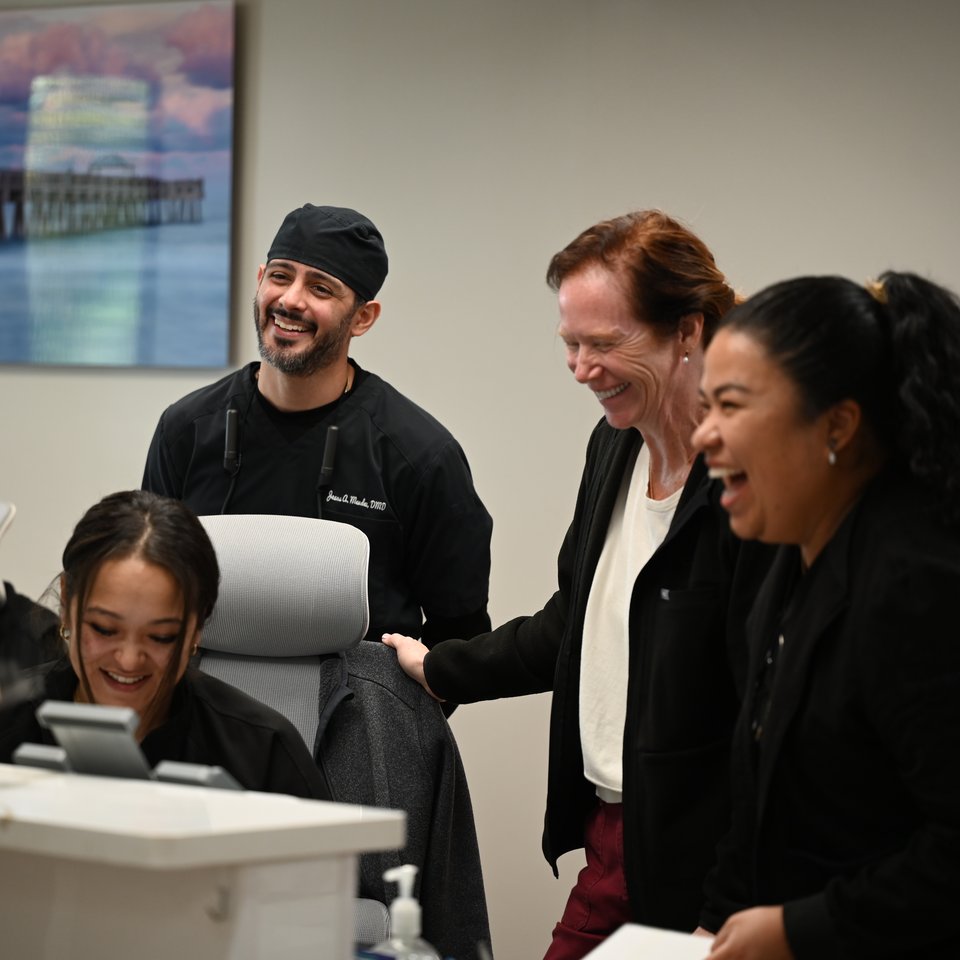
Why Choose Family Dentistry of Stuart for Bone Grafting?
Patients choose our Stuart office when they want a clear plan for rebuilding bone before implants.
- Full-Arch Implant Training: Dr. Mendez has training in dental implants and full-arch rehabilitation, known as All-on-X.
- 3D CBCT Imaging: CBCT scans measure your bone precisely so grafting is recommended only when it is needed.
- Gum Health First: Dr. Casel’s emphasis on periodontal health means active gum problems are treated before grafting.
- Clear Timelines: We explain each healing stage so you know how grafting affects your implant schedule.
- Insurance and Financing: We accept all PPO plans and most Medicare plans and offer flexible financing options.
Discuss Dental Implants and Bone Grafting in Stuart
If you are considering dental implants and want to know whether bone grafting is right for you, the Family Dentistry of Stuart team is ready to help, with individualized planning, clear explanations, and a comfortable environment.
We offer online booking and financing options, and we accept all PPO insurance plans and most Medicare plans. Reach out to our office on Southeast Federal Highway to schedule your evaluation and get clear answers about bone grafting and your implant options.
Medically reviewed by Dr. Casel, DMD on