Implant-supported removable dentures combine titanium implants placed in the jaw with a custom denture that snaps securely onto them. The result feels more stable than a conventional denture while still coming out for daily cleaning.
Dr. Jesus A. Mendez has training in dental implants and full-arch rehabilitation, and Dr. Daniel M. Casel’s restorative experience includes implant restorations. If you struggle with slipping, gum irritation, or constant adhesive use, our Family Dentistry of Stuart team can help you decide whether snap-in dentures are a good fit.
“Many denture wearers are surprised by how much more secure an implant-supported denture can feel. We talk through the options so the design fits how you live.” — Dr. Mendez
How Implant-Supported Removable Dentures Work
Implant supported removable dentures use a small number of titanium implants anchored in the jawbone to hold a custom denture in place. The denture has special attachments on its underside that connect to the implants. When you press the denture down, it snaps firmly onto the implants, reducing the movement common with traditional dentures that rest only on the gums.
You can remove the denture yourself for cleaning, but it stays secure during eating and speaking. The implants also transfer chewing forces into the bone, which may help slow the bone loss that often follows tooth loss. For a fixed option that stays in at all times, see full arch dental implants.
Who May Consider Implant-Supported Removable Dentures
People who are missing most or all of their teeth in one jaw may be candidates for this treatment. It is often considered by those who find conventional dentures uncomfortable, loose, or hard to keep in place during meals and conversation. Good candidates often have enough healthy jawbone for implants.
If bone volume is low, bone grafting may sometimes make treatment possible. Overall health matters too, because conditions that affect healing can influence the treatment plan. If damaged teeth need extraction, we can discuss whether implant-supported removable dentures may be a practical next step.


What to Expect During Treatment
Treatment begins with a thorough oral examination and a review of your medical history. We use CBCT imaging when clinically indicated to assess bone volume and plan implant placement with precision. If any teeth need extraction or bone grafting is necessary, those steps are completed first. Implants are then placed during a surgical appointment.
After placement, a healing period of about three to six months allows the implants to fuse with the bone. You may wear a temporary healing denture during this time. Once healing is complete, impressions are taken and the custom snap-in denture is fabricated and fitted to the implant attachments.
How Many Implants May Support a Removable Denture
The number of implants needed depends on the jaw, the available bone, and the design of the denture. Typically, two to six implants may support a removable denture in one jaw. A lower denture often uses two to four implants, while an upper denture may require more because the bone in the upper jaw is generally less dense.
During your planning visit, we will review your imaging and discuss the implant configuration that suits your anatomy. The goal is to place enough implants to provide reliable stability without unnecessary surgical steps.
Great staff. Everyone friendly and willing to answer any questions. They explained everything with treatment and plan. Looking forward to having them make me smile again!
Healing and Denture Fitting After Implant Placement
After implant placement, the jaw needs time to heal and bond with the implant surfaces. This process, called osseointegration, usually takes three to six months. During this period, you will have regular check-ins so we can monitor healing.
A temporary denture can be worn for appearance and function, though it may need adjustments as the gums change shape. Once the implants are stable, impressions are taken to create your final denture. The denture is then fitted to the attachments and adjusted so it snaps in and out with the right amount of retention.
Daily Care for Snap-In Dentures
Caring for implant supported removable dentures involves a routine that protects both the denture and the implants. Remove the denture regularly, usually at night, and clean it with a soft brush and a non-abrasive cleanser. Brush your gums, tongue, and palate gently each day to keep oral tissues healthy.
The implant attachments and surrounding gum tissue also need daily attention to remove plaque. Over time, the attachments inside the denture can wear or loosen and may need adjustment or replacement. Regular dental visits help catch these needs early and keep everything functioning well.

Frequently Asked Questions About Implant-Supported Dentures
-
A regular denture rests on the gums and is held by suction or adhesive. A snap-in denture clips onto implants in the jaw, so it moves much less when you eat and speak, yet you can still take it out to clean it.
-
Sometimes. If your current denture fits well and is in good condition, it may be possible to add attachments after the implants heal. Otherwise, a new denture is made to fit the implants.
-
Most patients need three to six months for the implants to fuse with the bone before the final denture is attached. Extractions or bone grafting can add time. You can usually wear a temporary denture while you heal.
-
Most patients are advised to remove it at night to give the gums a rest and to clean the denture and attachments. We will give you specific instructions for your design.
-
Yes. The small retention parts inside the denture wear over time and may need periodic replacement to keep the snug fit. We check them at your regular visits.
-
A removable design costs less and is easier to clean, while a fixed bridge stays in at all times and feels most like natural teeth. Compare both on our full arch dental implants page.
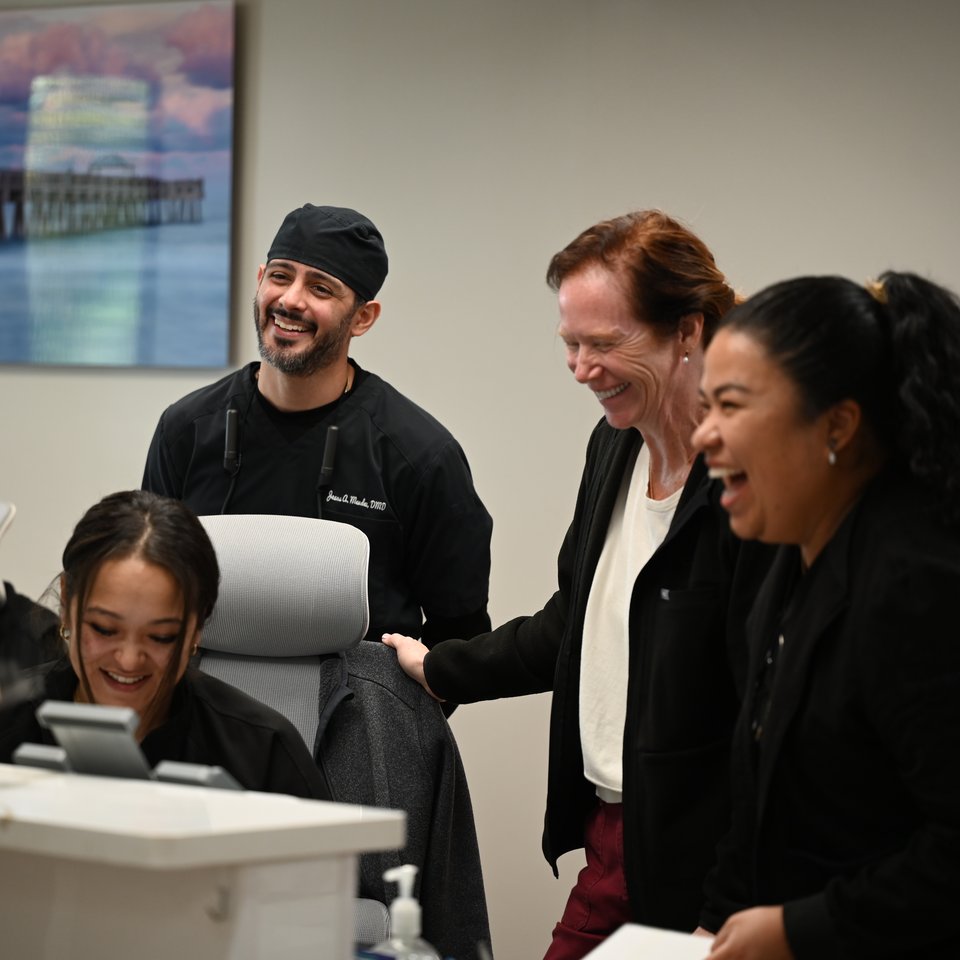
Why Choose Family Dentistry of Stuart for Implant-Supported Dentures?
Patients choose our Stuart office for snap-in dentures that are planned carefully and maintained over time.
- Full-Arch Implant Training: Dr. Mendez has training in dental implants and full-arch rehabilitation, known as All-on-X.
- Implant Restoration Experience: Dr. Casel’s restorative experience includes implant restorations.
- 3D CBCT Planning: CBCT imaging helps us place implants where they offer the best support for your denture.
- Ongoing Maintenance: We check and replace attachments at regular visits to keep your denture secure.
- Insurance and Financing: We accept all PPO plans and most Medicare plans and offer flexible financing options.
Explore Implant-Supported Dentures in Stuart, FL
If you are ready to learn whether implant-supported removable dentures are right for you, the Family Dentistry of Stuart team is here to help. We offer Saturday appointments and online booking to make scheduling easier.
Financing options are available, and we accept all PPO insurance plans and most Medicare plans. Contact our office today to schedule a consultation and take the next step toward a more stable, comfortable smile.
Medically reviewed by Dr. Casel, DMD on