Teeth grinding and clenching, known as bruxism, can quietly wear down your smile while you sleep. Custom night guards create a comfortable protective barrier between your upper and lower teeth to help limit chipping, wear, and morning jaw soreness.
Dr. Jesus A. Mendez, who earned his Doctor of Dental Medicine from Boston University Henry M. Goldman School of Dental Medicine, brings restorative experience and a listening-first approach to every evaluation. He and the Family Dentistry of Stuart team check your teeth for wear, talk through your symptoms, and recommend a guard that fits your needs in Stuart, FL.
“Many people grind their teeth without realizing it. When I see the signs, I take time to show patients what I am seeing and explain how a guard can protect their teeth.” — Dr. Mendez
What Night Guards Do for Teeth Grinding
A night guard is a dental appliance worn over the teeth, usually during sleep, to shield them from the forces of grinding and clenching. It works by creating a smooth surface between upper and lower teeth, which reduces direct enamel-on-enamel contact. This protection can limit tooth wear, chipping, and cracking that often show up over time. Some people also notice less jaw tenderness and fewer morning headaches once they use a guard consistently.
A night guard is different from a sports mouth guard, which is built for impact protection. It helps manage the effects of bruxism but does not stop the grinding itself, so we may also talk about stress, sleep, and other factors that could be involved.
Which Signs May Point to Bruxism
Bruxism often goes unnoticed because it happens during sleep, but your teeth and body may send clear signals. Worn, flattened, or chipped teeth are common clues a dentist spots during an exam. You might wake up with jaw tenderness, a dull headache, or soreness around your ears. Some people feel neck discomfort or notice that their jaw muscles seem tight during the day.
A partner may hear grinding sounds at night before you are aware of anything. If any of these signs sound familiar, a dental exam can help determine whether bruxism may be present and check for other causes of jaw pain. Catching it early gives you more options to protect your teeth before significant wear sets in.


What Factors May Contribute to Clenching
Stress is frequently associated with teeth grinding, but it is not the only factor. Sleep disorders, certain medications, and even the way your teeth come together can play a role. Some people clench during the day without realizing it, especially when concentrating or feeling tense. Lifestyle habits like caffeine or alcohol intake close to bedtime may also contribute.
Because the causes vary, we look at the whole picture rather than assuming one trigger. We talk about your symptoms, sleep patterns, and daily routines to explore possible causes of clenching and build a practical plan for your teeth and the habits around them.
How Custom Guards Differ from Store-Bought Options
Custom night guards are made from dental impressions that capture the exact shape of your teeth and bite. This fit matters for both comfort and protection. A guard that slips or presses unevenly can be hard to wear consistently, and a poor fit may not shield teeth as intended. Store-bought options include stock guards that come ready to wear and moldable types you soften in hot water and shape at home.
Those options are inexpensive, but they often feel bulkier and may not stay in place well. A dentist-made guard is crafted to match your teeth and bite, and we can adjust it if something feels off.
This was my first visit and a very positive experience. The entire staff was as professional and pleasant as one could want. Lily, the hygienist who worked on me was extremely thorough. Dr. Mendez was very clear and gave detailed explanations regarding any potential procedures. I wouldn’t hesitate to recommend them.
What a Dentist Checks Before Recommending an Appliance
Before recommending a night guard, a dentist examines your teeth for wear patterns, checks your jaw joints, and asks about symptoms like headaches or facial soreness. This evaluation helps confirm that bruxism is the likely source of the problem and not another condition. The dentist also checks your bite and whether grinding may affect any dental work you already have. If a guard makes sense, the process begins with taking impressions that are used to create an appliance shaped to your mouth.
This step-by-step approach helps make sure your guard fits well and addresses the specific wear we see. Regular exams and cleanings through general dentistry can also spot grinding damage early, before more involved restorative work is needed.

Frequently Asked Questions About Night Guards
-
Common signs include worn or chipped teeth, morning jaw soreness or headaches, tight jaw muscles, and a partner hearing grinding at night. We often spot wear patterns during a routine exam before you notice symptoms.
-
We take impressions of your teeth at one visit and fit the finished guard at a second visit, usually within a couple of weeks. At the fitting, we check your bite and make any adjustments.
-
Most people adjust within a few nights. A custom guard is thinner and fits more precisely than store-bought options. If it feels tight or rubs, call us and we can adjust it.
-
Rinse it after each use, brush it gently with a soft toothbrush and cool water, and let it dry in its case. Avoid hot water, which can warp it, and bring it to your checkups so we can inspect it.
-
With good care, a custom guard can last several years. Heavy grinders may wear through a guard sooner, so we check it at each visit.
-
A guard may ease jaw soreness related to clenching, but jaw pain can have other causes. If pain, clicking, or locking continue, our TMJ and TMD treatment page explains how we evaluate the jaw joint.
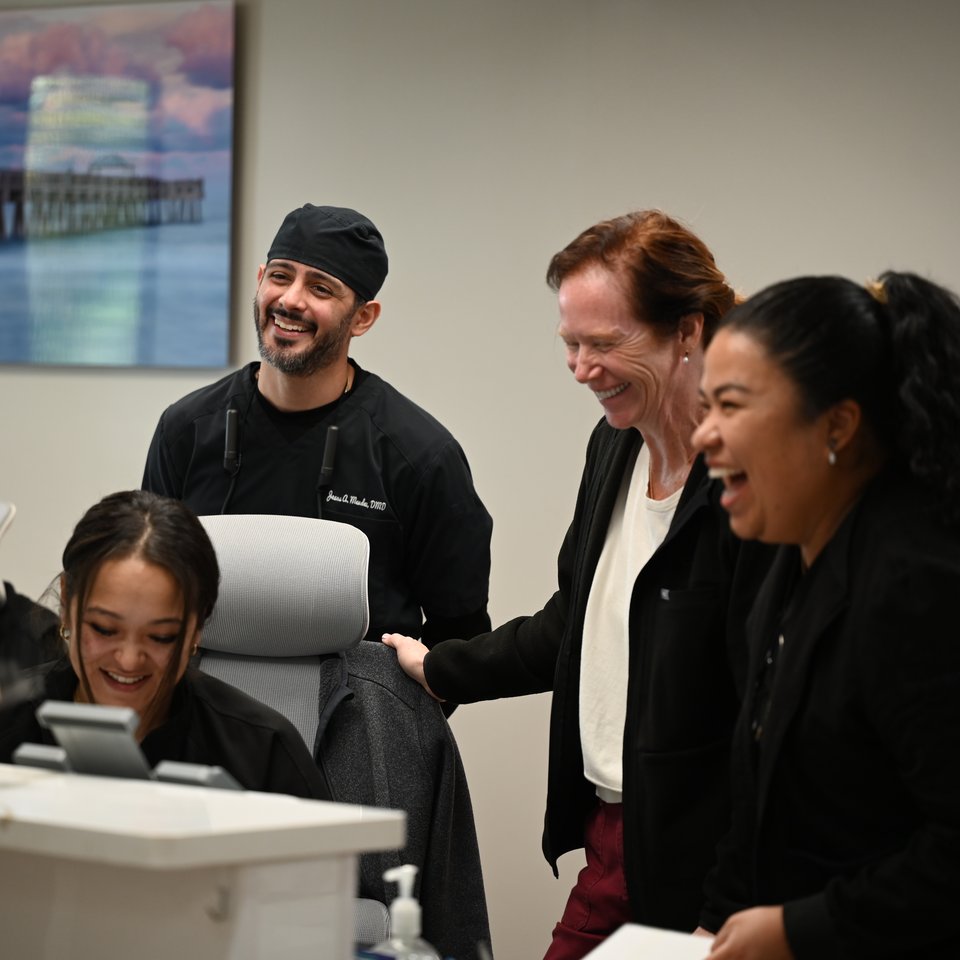
Why Choose Family Dentistry of Stuart for Night Guards?
We protect your teeth with guards made to fit your bite.
- Custom-Fitted Guards: Each guard is made from impressions of your teeth for a secure, comfortable fit.
- Early Detection: We look for grinding wear at every exam, often before you notice symptoms.
- Protection for Dental Work: A guard helps protect crowns, veneers, and fillings from grinding forces.
- Saturday Appointments: Weekend hours make it easier to fit impressions and fittings into your schedule.
- Insurance and Financing: We accept all PPO plans and most Medicare plans and offer flexible financing options.
Ask Family Dentistry of Stuart About Night Guards for Teeth Grinding
If you wake up with sore jaws or notice your teeth looking worn, a night guard may help protect your smile. Family Dentistry of Stuart offers Saturday appointments, online booking, and financing options for patients in Stuart, FL. Call or schedule online to talk about night guards and teeth grinding.
Medically reviewed by Dr. Casel, DMD on