Dental bonding uses a tooth-colored composite resin to repair minor chips, close small gaps, or reshape uneven edges, usually in a single visit. It is a conservative, affordable way to make small cosmetic changes to your smile without the lab work that veneers or crowns require.
Dr. Michelle Kuznia, our cosmetic dentist, earned her Doctor of Dental Surgery with honors from the University of Detroit Mercy School of Dentistry and is a member of the American Academy of Facial Esthetics. She and the Family Dentistry of Stuart team shade-match and shape each bonded tooth by hand for patients in Stuart, FL.
“Bonding is a great option when a small chip or gap is bothering you. It is conservative, and it can often improve the look of a tooth while keeping its natural structure.” — Dr. Kuznia
What Dental Bonding Can Address
Dental bonding works well for modest cosmetic touch-ups rather than major restorations. It can improve the look of a tooth that is chipped, slightly discolored, or irregularly shaped. Some people choose bonding to close a small gap between teeth or to make an uneven edge look more balanced.
Because the resin is applied directly to the tooth and shaped by hand, the treatment gives the dentist control over small detail changes. For larger structural needs, a different restoration may be more appropriate. We can walk you through what bonding can and cannot do for your specific situation.
How a Dentist Determines Whether Bonding Fits Your Goals
A dentist starts by looking at the tooth and talking with you about what you want to change. The tooth needs enough healthy structure for the resin to adhere well. If the concern is mostly cosmetic and the tooth is otherwise sound, bonding is often a reasonable choice.
The dentist will also check how your teeth come together, since bite forces can affect how long bonding lasts. Shade matching is part of the process: the dentist selects a resin color that blends naturally with your surrounding teeth. This step helps the final result look like a natural part of your smile.


What Happens During the Bonding Procedure
Bonding typically takes between 30 and 60 minutes per tooth. The dentist first roughens the surface of the tooth and applies a liquid conditioner to help the resin adhere. Once the tooth is prepared, the dentist applies the tooth-colored resin, shapes it to match the surrounding teeth, and hardens it with a special curing light.
After the material hardens, the dentist refines the shape and polishes the surface for a smooth finish. Because nothing needs to be custom-made by a dental laboratory, the entire procedure is done in one visit. That makes bonding a convenient option in cosmetic dentistry when time matters.
How Bonding Compares with Veneers and Crowns
Bonding, veneers, and crowns all change how a tooth looks, but they serve different purposes. Bonding typically requires removing less tooth enamel than veneers or crowns, which makes it a more conservative choice for small changes. Veneers and crowns are fabricated in a dental laboratory and usually need at least two visits. Bonding is done in a single appointment.
Bonding material is more prone to stains and generally does not last as long as porcelain restorations. For that reason, it is used more often for small cosmetic touch-ups. We can help you weigh these differences against your goals and budget.
I really enjoyed my visit to the office. First office I’ve been to where I was greeted with genuine smiles from everyone. I felt welcomed and appreciated what felt like hospitality versus customer service.
How Long Bonding May Last
Bonding does not last as long as veneers or crowns, but with good care it can serve you well for several years. How long it holds up depends on factors like your bite, your habits, and how you maintain it. Bonded resin is more prone to chipping and staining than porcelain, so people who grind their teeth or frequently consume staining foods and drinks may see wear sooner.
Routine dental checkups let the dentist monitor the bonded area and address any early signs of wear. When bonding needs refreshing, your dentist can often repeat the procedure.
How to Care for Bonded Teeth
Caring for bonded teeth is straightforward. Brush twice a day and floss daily, just as you would for your natural teeth. Be mindful of habits that can chip the resin, such as biting hard objects or using your teeth to open packaging.
Bonding material can pick up stains over time, so limiting coffee, tea, red wine, and tobacco helps keep the color stable. Regular professional cleanings and exams at our Stuart office give us a chance to check the bonded areas and polish away surface stains. Good daily habits go a long way toward keeping your bonded smile looking great.

Frequently Asked Questions About Dental Bonding
-
With good care, bonding can last several years. Biting hard objects, grinding, and staining foods or drinks can shorten its life, and worn bonding can usually be touched up or redone.
-
Bonding is usually painless. Because little or no enamel is removed, many patients do not need anesthetic unless the bonding is repairing a deeper chip or cavity.
-
No. Bonding resin does not respond to whitening. If you plan to whiten, we usually recommend teeth whitening first and then match the bonding to your new shade.
-
Bonding works well for small chips and gaps in one visit. Dental veneers are more durable and stain resistant and suit bigger changes in color, shape, or size.
-
Often, yes, if the chip is small and the tooth is otherwise healthy. If the break is large or painful, see our broken or chipped tooth page and call us so we can check it promptly.
-
Brush twice a day, floss daily, avoid chewing ice or opening packages with your teeth, and keep up with regular cleanings so we can polish the bonded areas.
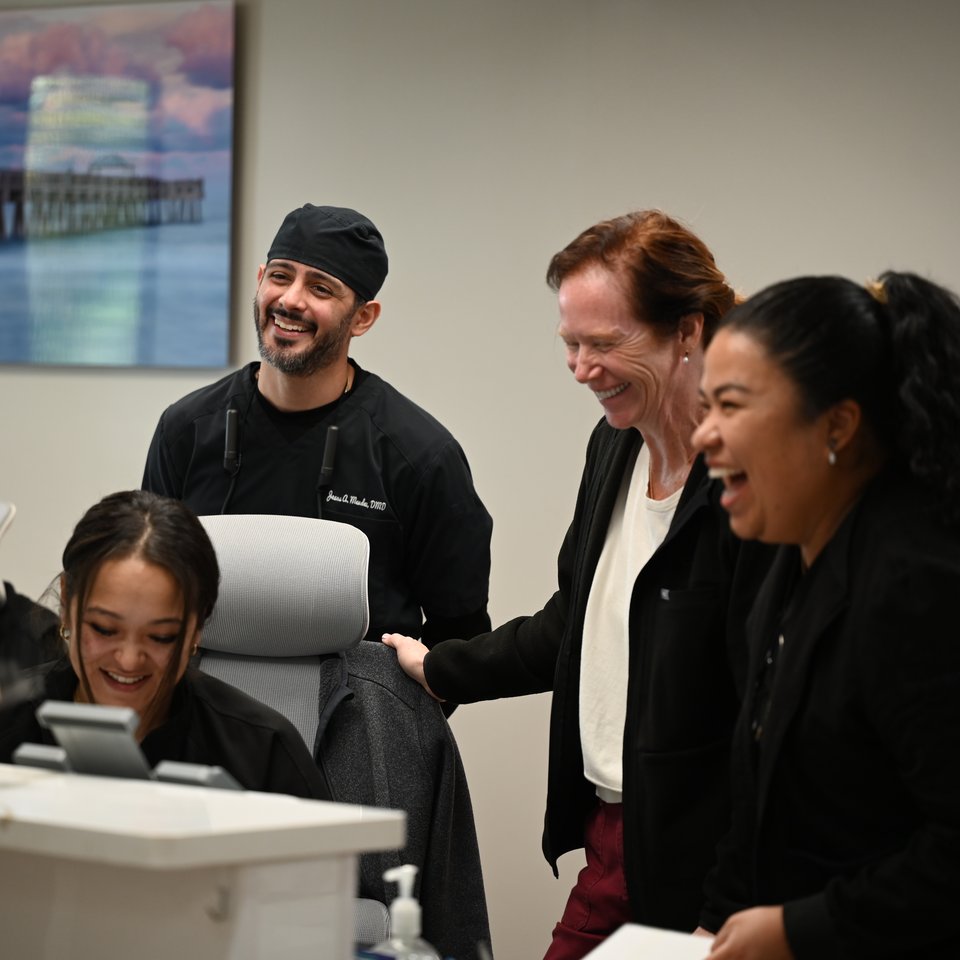
Why Choose Family Dentistry of Stuart for Dental Bonding?
Patients choose our Stuart office for bonding that blends in and saves time.
- A Dedicated Cosmetic Dentist: Dr. Kuznia earned her DDS with honors and plans each bonding case around your smile.
- Careful Shade Matching: We select a resin color that blends naturally with your surrounding teeth.
- One-Visit Treatment: Most bonding is completed in a single appointment with no lab wait.
- Conservative Care: Bonding usually preserves more natural tooth structure than veneers or crowns.
- Saturday Appointments: Weekend hours make it easy to fix a small chip without missing work.
Ask a Stuart Dentist About Dental Bonding
If you have a small chip, gap, or shape concern, dental bonding may be a simple solution. The Family Dentistry of Stuart team can evaluate your tooth, explain what bonding can achieve, and help you decide whether it fits your needs. We offer Saturday appointments, online booking, and financing options. Contact our Stuart, FL office to schedule a consultation.
Medically reviewed by Dr. Casel, DMD on