When a tooth is too damaged for a filling, a porcelain crown can restore its strength and appearance. A crown covers the visible part of the tooth and becomes its new outer surface, protecting what remains while giving you back a comfortable bite and a natural-looking smile.
Dr. Daniel M. Casel earned his dental degree from Temple University School of Dentistry, and his restorative experience includes full zirconia crowns, porcelain inlays and onlays, and implant restorations. He and the Family Dentistry of Stuart team design each crown to blend with your natural teeth as part of our restorative and tooth replacement care in Stuart, FL.
“A crown has to fit precisely to protect the tooth underneath. Full zirconia gives us strength and a natural look, and our lab connection helps keep the process moving.” — Dr. Casel
What Porcelain Crowns Are and How They Protect a Tooth
A dental crown is a custom-made restoration that encases the visible part of a tooth above the gum line. Unlike a filling, which repairs only a small section, a crown covers the whole tooth and becomes its new outer surface. Porcelain crowns can closely match the color and light-catching quality of natural teeth.
Once cemented, the crown forms a protective shell around the damaged tooth, strengthening the structure and preventing further breakdown. Crowns can also restore a tooth to its original shape and improve how it looks when you smile.
When a Crown May Be Recommended Instead of a Filling
A crown may be the right choice when a tooth is broken, decayed, or worn to the point that a filling cannot provide enough support. Teeth that have undergone root canal treatment often need a crown to protect the remaining structure. Crowns are also used for teeth that are cracked, misshapen, or severely discolored.
In each case, the goal is to save the natural tooth and give it a durable covering. If you have a tooth with a large old filling that is starting to fail, a crown can reinforce it and reduce the risk of fracture. We can evaluate your tooth and discuss whether a crown or another restorative option fits your situation.
How Dentists Choose Between Porcelain and Full Zirconia Crowns
The material choice depends on where the tooth sits in your mouth and how much force it takes when you chew. Porcelain crowns are often preferred for front teeth because they reflect light much like natural enamel. Full zirconia crowns offer high strength and are frequently selected for back teeth that endure heavy biting pressure.
Dr. Casel offers both and can explain how each material performs. The decision also considers your aesthetic goals and whether you grind or clench your teeth. Both options are custom-shaded to blend with your surrounding teeth.


What Happens During Tooth Preparation and Dental Impressions
The first visit focuses on reshaping the tooth so the crown can fit properly. A small amount of tooth structure is removed from the top and sides to create space for the restoration. Once the tooth is prepared, we take an impression that captures the exact shape and position of the tooth and the teeth next to it.
This impression is sent to a dental laboratory where the permanent crown is fabricated. Our group shares an in-house dental laboratory in Jupiter, which helps keep crown turnaround quick. The impression step is critical because it guides the lab in making a crown that fits precisely and feels natural.
How a Temporary Crown Covers the Tooth Between Visits
Before you leave the first appointment, a temporary crown is placed over the prepared tooth. This protects the tooth from sensitivity and keeps it stable while the permanent crown is being made. It also maintains the space so surrounding teeth do not shift.
Temporary crowns are made from a different material than the final restoration and are meant to last only a few weeks. You will need to be gentle with the temporary crown and avoid sticky or hard foods on that side. If the temporary crown feels rough or comes loose, call our Stuart office and we can adjust or replace it.
Dr. Michelle is wonderful, professional, kind, and very thorough. She takes the time to explain everything and you truly feel cared for every step of the way. I had crowns done and they look and feel beautiful!
How the Permanent Crown Is Fitted and Matched to Your Smile
At the second visit, the temporary crown is removed and the permanent crown is tried in place. We check the fit, bite, and color before cementing it. The crown should feel comfortable against the opposing tooth and sit flush with the gum line.
Shade matching is done to make sure the porcelain blends with your natural teeth. Once the fit and appearance are confirmed, the crown is bonded securely. The result is a restoration that functions like a healthy tooth and looks like it belongs in your smile.
What to Discuss with Your Dentist Before Crown Treatment
Before starting treatment, ask about the material options and which one is suitable for your tooth. You can also ask how much tooth structure will need to be removed and what to expect during the temporary crown phase. If dental procedures make you anxious, let us know, and we will plan your visit around your comfort.
Discuss any concerns about sensitivity, timing, or cost. We accept all PPO insurance plans and most Medicare plans, and our current porcelain crown special is $995. Financing options are available, and we can help you understand what your plan may cover before treatment begins.

Frequently Asked Questions About Porcelain Crowns
-
With good home care and regular checkups, a crown can last many years. How long yours lasts depends on the material, where the tooth sits, and habits such as clenching or grinding. If you grind at night, a custom night guard can help protect your crown.
-
We numb the tooth with local anesthetic before preparing it, so most patients feel pressure rather than pain. Some mild sensitivity or gum tenderness for a few days afterward is normal and usually eases with over-the-counter pain relievers.
-
Most crowns take two visits. At the first, we prepare the tooth, take an impression, and place a temporary crown. At the second, we fit, check, and bond the permanent crown, which is made by our group’s shared lab in Jupiter.
-
Porcelain is often preferred for front teeth because it reflects light much like natural enamel. Full zirconia is very strong and is a common choice for back teeth that take heavy biting force. Dr. Casel will recommend the material that fits the tooth, your bite, and your goals.
-
We accept all PPO insurance plans and most Medicare plans. Coverage for crowns varies by plan, so we can review your benefits before treatment. Learn more on our insurance and Medicare Advantage page.
-
Keep the temporary crown, avoid chewing on that side, and call our office so we can recement it. Do not use household glue. Our lost filling or crown page explains how to protect the tooth until your visit.
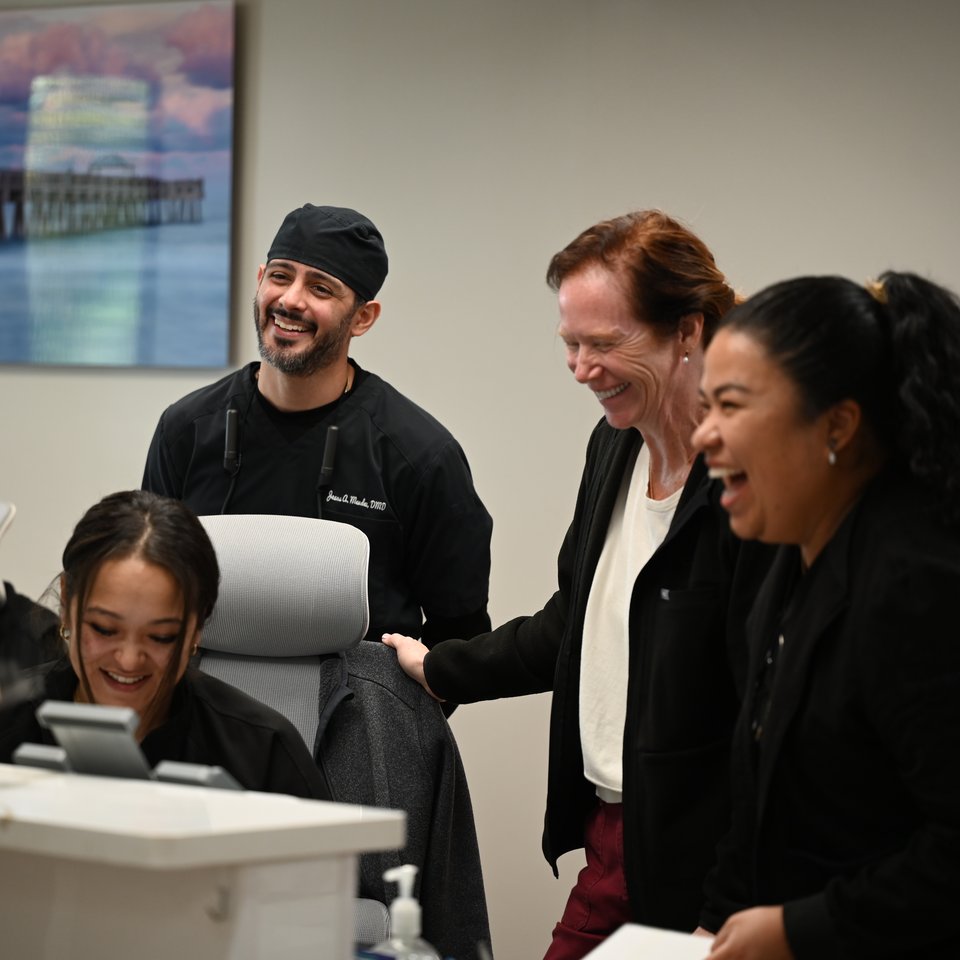
Why Choose Family Dentistry of Stuart for Porcelain Crowns?
Patients choose our Stuart office for crowns that are carefully planned and made to last.
- Full Zirconia and Porcelain Options: Dr. Casel has documented experience with full zirconia crowns and helps you choose the right material for each tooth.
- Shared In-House Lab: Our group’s dental lab in Jupiter helps keep crown turnaround quick.
- Attention to Gum Health: Dr. Casel’s emphasis on periodontal health helps protect the tooth and gums around each crown.
- Saturday Appointments: Weekend hours make it easier to fit both crown visits into your schedule.
- Insurance and Financing: We accept all PPO plans and most Medicare plans and offer flexible financing options.
Ask About Porcelain Crowns in Stuart, FL
If you have a tooth that needs more than a filling, a porcelain crown may be the right solution. Dr. Daniel M. Casel and the Family Dentistry of Stuart team make custom crowns that protect damaged teeth and restore your smile. Saturday appointments, online booking, and financing options make it easier to fit treatment into your schedule.
Medically reviewed by Dr. Casel, DMD on