When a tooth is damaged beyond practical repair, tooth extractions can relieve pain and protect your overall oral health. We always look for ways to save a tooth first, and when removal is the right choice, we explain why and make the process as gentle and comfortable as possible.
Dr. Jesus A. Mendez, a Boston University Henry M. Goldman School of Dental Medicine graduate, brings experience in surgical and implant dentistry. He and the Family Dentistry of Stuart team also plan ahead for tooth replacement, so your bite and smile stay healthy after an extraction in Stuart, FL.
“Removing a tooth is always a carefully considered decision. When it is the right choice, we also talk about what comes next so your bite and smile stay healthy.” — Dr. Mendez
What Tooth Extractions Involve
A tooth extraction is the removal of a tooth from its socket in the bone. An extraction may be considered when decay, infection, or injury has damaged a tooth too much for a filling, crown, or root canal to work. Before extraction, the dentist examines the tooth and may take images to check its roots and nearby bone.
The area is numbed with a local anesthetic so you remain comfortable. During removal, you may feel pressure but should not feel sharp pain. Once the tooth is out, gauze is placed over the site to help a blood clot form and begin the healing process.
When a Tooth May Need Removal
Several situations can lead a dentist to recommend extraction. Severe decay or infection may leave too little healthy tooth structure to support a restoration. Advanced gum disease can loosen a tooth by damaging the supporting tissues and bone around it.
A tooth may also need removal if it is blocking other teeth from coming in, or as part of orthodontic treatment to create space. Wisdom teeth are often extracted before or after they emerge, especially if they are causing crowding or discomfort. In each case, the goal is to address the problem and prevent further complications.
How the Dentist Performs an Extraction
The dentist begins by administering a local anesthetic to numb the tooth and surrounding gum tissue. Once the area is fully numb, the tooth is gently loosened within its socket and removed. You may notice pressure during this step, but the anesthetic is intended to keep you free of pain.
Most straightforward extractions take only a few minutes. We explain each step beforehand and encourage you to ask questions. If dental care makes you anxious, let us know, and we can talk about options to help you feel more at ease.


What to Expect During Early Healing
Immediately after the extraction, a small amount of bleeding is normal. A piece of gauze is placed over the socket, and you will be asked to bite down gently to help a blood clot form. The clot protects the underlying bone and nerve endings as healing begins.
Mild soreness or swelling can occur, and the dentist will give you specific instructions on how often to change the gauze and what other steps to follow. Following those directions closely supports a smoother recovery.
How to Care for the Extraction Site
Protecting the blood clot is one of the most important parts of aftercare. Avoid rinsing vigorously, using a straw, or spitting for the first day, since suction can dislodge the clot. Stick to soft foods and avoid chewing near the extraction site.
You can gently rinse with warm salt water after the first 24 hours if your dentist advises it. Continue brushing and flossing your other teeth, but keep your toothbrush away from the healing socket. We give you clear written aftercare instructions so you know exactly how to care for the area at home.
My daughter needed multiple teeth extracted and they did a phenomenal job. Kind, patient, thorough, gentle and reassuring. Highly recommend.
When to Call Our Office
Some discomfort and swelling are normal, but certain symptoms warrant a call. Contact us if bleeding becomes heavy or does not slow down after several hours, if pain increases rather than improves after a few days, or if you notice signs of infection such as fever or pus.
A bad taste or odor that does not go away with gentle rinsing can also be a reason to reach out. We are here to answer questions during your recovery, and prompt attention to unusual symptoms helps keep healing on track.
Which Tooth Replacement Options May Be Discussed
Once the extraction site has healed, replacing the missing tooth may be important for your bite, jawbone health, and the alignment of neighboring teeth. We offer several replacement options, including dental implants, bridges, and dentures. The right choice depends on your individual situation, and we will discuss the benefits and considerations of each. You will have time to ask questions and understand your options before deciding how to move forward.

Frequently Asked Questions About Tooth Extractions
-
We numb the tooth and gums with local anesthetic, so you should feel pressure but not sharp pain. Some soreness for a few days afterward is normal and usually eases with over-the-counter pain relievers.
-
Most people feel back to normal within a few days, and the gum usually closes over the socket in one to two weeks. Bone underneath continues to heal for several more weeks.
-
Dry socket happens when the blood clot is lost too early, exposing the bone and causing throbbing pain a few days later. Avoid straws, spitting, smoking, and vigorous rinsing for the first day or two, and call us if pain gets worse instead of better.
-
Wisdom teeth are often removed when they cause pain, crowding, or infection. We will examine the tooth and X-rays and let you know whether it can be removed at our office or needs a referral.
-
Often, yes. A gap can let nearby teeth shift and affect your bite. Options include a single tooth implant, a bridge, or a partial denture.
-
For urgent problems like severe pain or swelling, we offer same-day emergency dental care and will see you as quickly as possible.
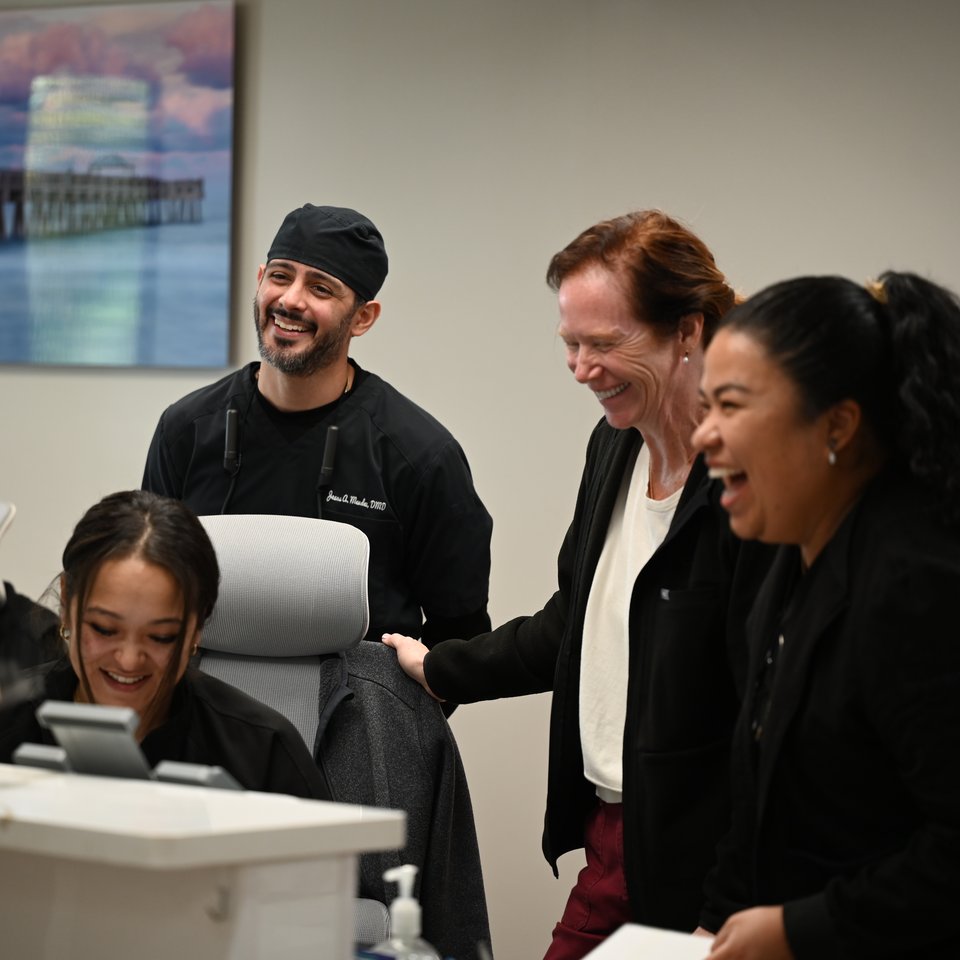
Why Choose Family Dentistry of Stuart for Tooth Extractions?
We make tooth removal as calm and straightforward as possible.
- Save the Tooth First: We look at fillings, crowns, and root canal therapy before recommending removal.
- Help for Anxious Patients: We explain each step before we begin and talk through ways to keep you comfortable.
- Same-Day Emergency Care: Urgent pain and swelling can often be seen the same day.
- Replacement Planning: We discuss implants, bridges, and dentures so you know your options after healing.
- Insurance and Financing: We accept all PPO plans and most Medicare plans and offer flexible financing options.
Schedule Tooth Extractions in Stuart, FL
If a tooth hurts or is damaged beyond repair, Family Dentistry of Stuart can help you decide whether extraction is the right step. We offer Saturday appointments, same-day emergency care, online booking, and financing options to make care more accessible in Stuart, FL. Call or schedule online today to discuss your situation.
Medically reviewed by Dr. Casel, DMD on